
- Home
- Business Directory
- Get the App
- Things To See & Do
- News
- Properties
- Event Guide
 ES
ES
Salobreña
Exploring the Enchanting Beauty of Salobreña: A Gem of the Mediterranean
Salobreña, on the Costa Tropical of Granada, is one of the most authentic towns on the Andalusian coastline. It combines historical heritage, high-quality beaches, local traditions and an active cultural programme throughout the year. Its location by the Mediterranean and its subtropical climate make it an ideal destination for both summer holidays and off-season getaways.
The Castle of Salobreña, one of the best-preserved fortresses in the province of Granada, dominates the historic centre from its highest point. Walking along its walls provides insight into the town’s strategic importance during the Nasrid period while offering wide views over the sea, the tropical Vega and, on clear days, the Sierra Nevada mountains. At its foot, the network of whitewashed streets in the old town preserves the layout of the former Andalusian medina.
Salobreña also stands out for the quality and variety of its beaches. Playa de la Charca, awarded the Spanish Tourism Quality “Q” certification, is spacious, family-friendly and fully equipped with a seafront promenade and services, making it ideal for a full day by the sea. Playa de la Guardia, quieter and awarded the Blue Flag, offers a more relaxed setting with the Peñón de Salobreña as a distinctive landmark. At the end of the promenade, across the bridge, Playa Punta del Río provides a more natural environment surrounded by tropical fruit plantations, perfect for walking or practising water sports such as surfing, kitesurfing or kayaking.
The town’s cultural life is particularly active. The Auditorio Villa de Salobreña hosts theatre performances, concerts, music festivals, comedy shows and cultural events throughout the year. Initiatives such as Artepeazos have also turned the municipality into an open-air museum, with murals and sculptures displayed on façades, squares and unexpected corners across the town. The Tendencias Festival stands out as a cultural reference point combining music, art and contemporary thought.
Local festivals and traditions are an essential part of Salobreña’s identity. Highlights include Holy Week processions through the historic centre; the Night of San Juan, celebrated on 23 June on the beaches; and the maritime festivities in honour of the Virgen del Carmen, held in the La Caleta–La Guardia district. In October, the town celebrates the Patron Saint Festivities of the Virgen del Rosario on the first weekend of the month, featuring popular events and festive activities.
Beyond sun and beach tourism, Salobreña is an ideal destination for active travel and nature lovers. Hiking and cycling routes cross the tropical Vega and nearby viewpoints. At sea, activities such as paddle boarding, kayaking and diving allow visitors to explore the ecological richness of the Acantilados de La Caleta, a protected natural area.
The experience is completed with visits to tropical fruit farms producing mangoes, cherimoyas and avocados, as well as facilities where traditional products such as artisanal rum and sugar cane honey are made, reflecting the agricultural heritage of the region.
Salobreña therefore offers a balanced combination of history, beaches, culture, gastronomy and nature, consolidating its position as one of the leading tourist destinations on the Costa Tropical.
You may also be interested in:
Places to visit in Salobreña
Salobreña Castle
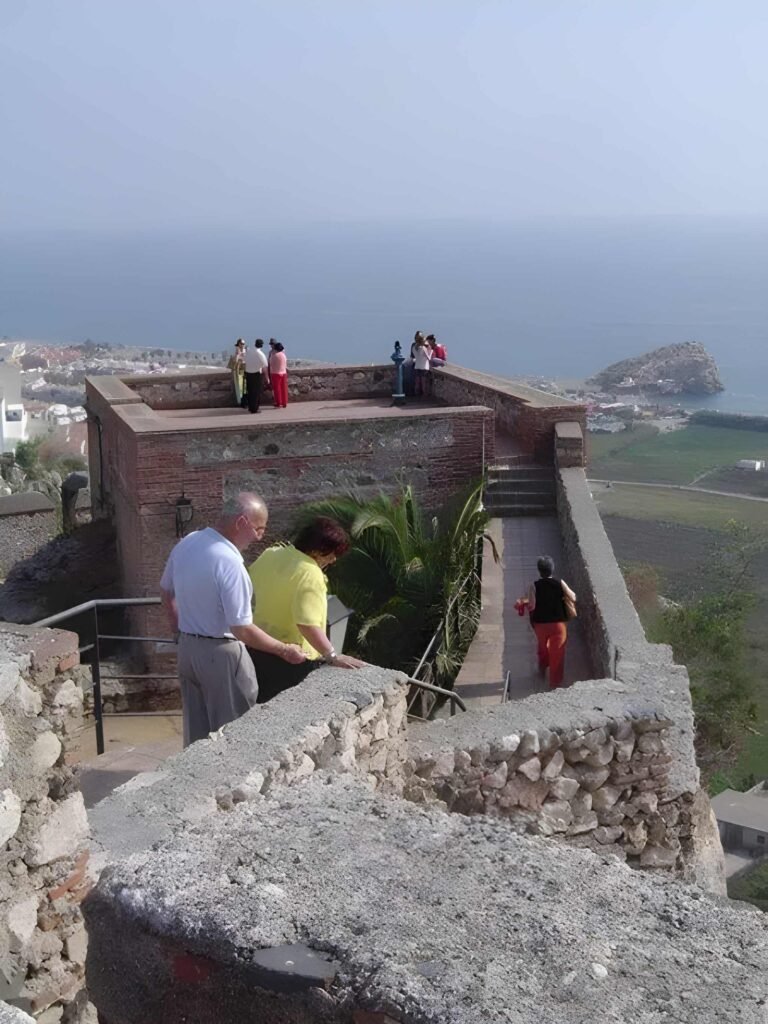
The existence of a fortification in Salobreña has been known since the 10th century. While the layout corresponds to the construction erected during the Nasrid period, the Arab castle is the result of both Muslim and Christian architectural contributions.
During the Nasrid period, it housed a royal palace used for rest, which also served as a royal prison.
The castle was conquered by the Catholic Monarchs in 1489.
The castle retained its military significance until the late 18th century.
Reports from 1739 indicate that it was abandoned and in significant disrepair.
It did not have a specific or utilitarian function, as it did not serve for coastal defense. Nevertheless, the cavalry assigned to the castle had the mission of patrolling from La Caleta to the mouth of the Guadalfeo River.
Starting in 1849, it was used by the customs officers, who established a signaling post within it.
From its towers, one can admire the urban layout of Salobreña, the fertile plain, the Mediterranean Sea, the adjacent mountain ranges, and even Sierra Nevada.
Visiting hours:
June 15-Agust 31: 10am – 1:30pm / 5:30pm – 8pm.
September until last Saturday in October: 10am – 2pm / 5-7:30pm.
Last Sunday in October until- February 28: 10am – 2pm / 4-6pm /
March 1- last Saturday in March: 10am – 2pm / 5-7pm.
Last sunday in March until June 14th: 10am – 2pm / 5:30-8:30pm.
Last access is 30 minutes before the closing.
Closed on December 24th, 25th and 31st, January 1st.
Prices: adults:4 euros, free for children younger than 12 years old
Location: Calle Paseo de las Flores, s/n, 18680.
Telephone: 958610314
Mirador Enrique Morente
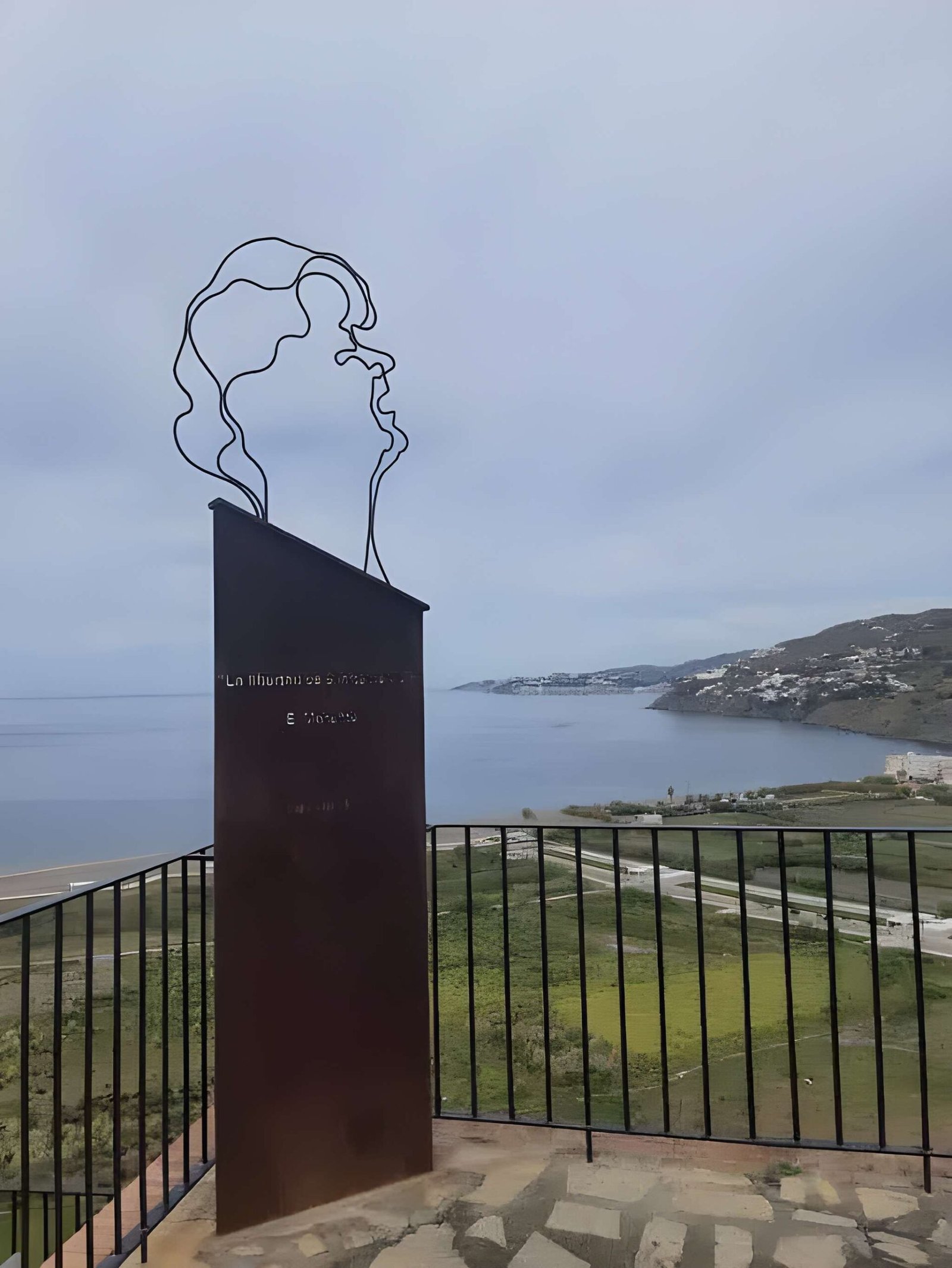
The Enrique Morente Viewpoint in Salobreña is a large balcony located approximately 98 metres above El Tajo, dedicated to one of the greatest and most innovative flamenco singers, Enrique Morente.
From this privileged setting, visitors enjoy extraordinary panoramic views of the fertile Vega and the Mediterranean Sea. The viewpoint offers open views towards the neighbourhood of La Caleta, the beaches, the cliffs and the Sierra del Chaparral, creating a wide and luminous coastal landscape. It is especially popular at sunset, although it remains attractive throughout the day thanks to the breadth of its views.
A sculpture designed by Javier Arteta stands at the site in tribute to the Granada-born artist. The figure of the singer faces the horizon, looking out towards the sea, the Vega and, symbolically, towards the future.
The viewpoint can be reached on foot from the historic centre. Walking is recommended, as the access streets are narrow and parking space is limited, particularly during the summer months.
We reccommend getting there walking since access by car is narrow, and there is limited parking available especially during the summer months.
La Bóveda
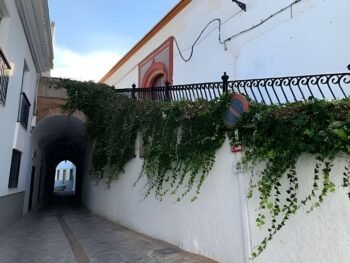
It is a beautiful vaulted passage that connected the Albaicín neighborhood with the core of the old medina. Built in the 16th century, the lateral access is a small gate leading to the walled city. It features a semicircular barrel vault that is supported externally by a section of the old city wall. It was primarily used for the entry of merchants.
Calles Bovedilla y del Arco
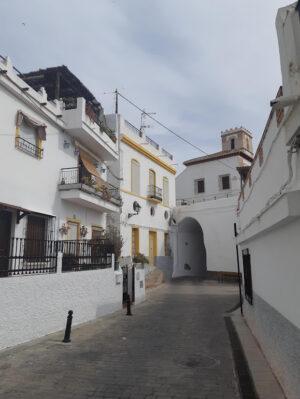
From the toponymy of the 18th century, we know of the existence of covered and vaulted streets that are so characteristic of the Islamic street layout, as is the case with Bovedilla Street and Arco Street. The winding and narrow urban layout was primarily a practical response, as it was, in fact, an adaptation to the terrain.
Mirador del Postigo
Its name comes from the existence of a secondary gate of the medieval city in this location. It is a balcony overlooking the northern area of Salobreña, from which you can see the highest mountain in the region, the “Pico de la Guindalera,” standing at 1,072 meters in height. It can be accessed through a staircase from the Postigo Park.
Paseo de las Flores
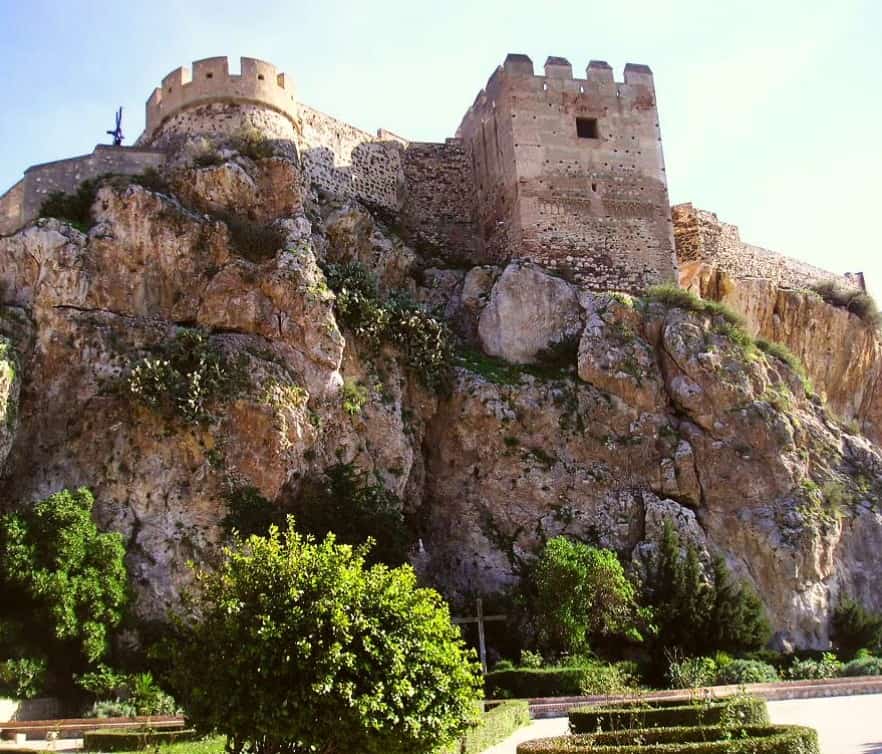
Beautiful promenade located at the foot of the Salobreña Castle. This slope was settled by the first inhabitants of the rock (3000-2000 BC) and numerous archaeological remains have been found. Today, it is one of the most beautiful spots from which you can enjoy the wonderful views of the Mediterranean Sea, with the backdrop of the Sierra Nevada mountain range.It is surrounded by lovely and well-maintained gardens with various species of shrubs, flowers, and palm trees planted along its path. In October, the Paseo de las Flores hosts a showcase of crafts and gastronomy in celebration of the Feast of the Virgin of the Rosary.
Peñon de Salobreña
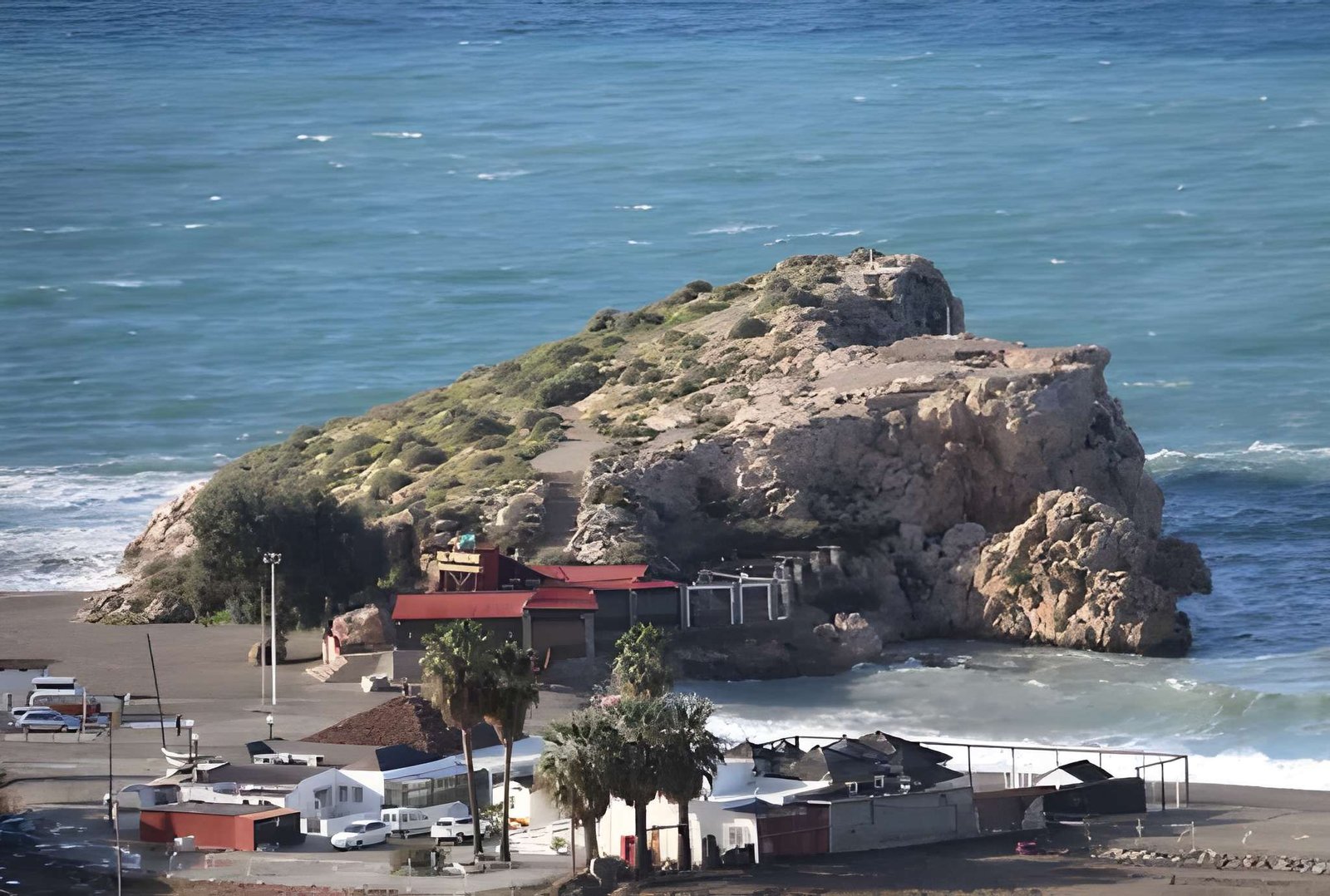
The Coast of Granada boasts rocky cliffs of extraordinary beauty, but they can also be dangerous. The Salobreña Rock is one of these extraordinary places, from which numerous swimmers jump in for a dip. In ancient times, this area was actually an island, positioned approximately five hundred meters off the coastline. Composed of limestone and dolomite marbles, the rock carries significant archaeological importance. Over the years, it has yielded ceramic fragments dating from Prehistoric to Medieval times, along with traces of structures, burial sites, and even remnants of ancient salted fish processing pools.
Albaycin quarter
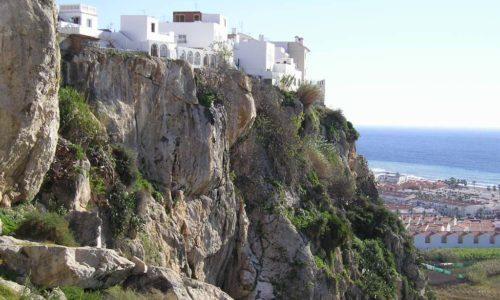
District located near the fortress, around which the population gradually settled. It served as the Christian cemetery from 1788 until 1898. The viewpoint, 98 metres above the Río Tajo, offers a spectacular view of the valley, the La Caleta neighbourhood, beaches, cliffs and the Sierra del Chaparral. We suggest wandering through its labyrinthine streets discovering whitewashed houses decorated with flowers. The Albaicín also houses significant landmarks, including the Church of Nuestra Señora del Rosario, built on the site of an ancient mosque. Its Mudejar-style tower and ornate azulejo decoration are noteworthy.
Brocal quarter
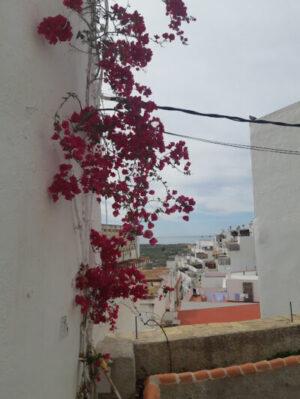
Its streets were built following the layout of the Salobreña Wall. Only the remains of one of its towers, called ‘El Torreón’, still stand. The lower part of the Brocal neighborhood was born outside the walls, creating what were called ‘suburbs’. It’s beautiful to explore its streets, labyrinthine with corners, facades decorated with geraneums and buganvillas, and more.
Gambullón viewpoint and quarter
It is located at the base of the cliff and connects the Paseo de las Flores with the lower Vega area, bridging the rural surroundings and the old town through a path known for its historical and scenic significance. These beautiful gardens have a play area for children and are interesting for birdwatching, as various bird species nest in the cliff.
La Caleta
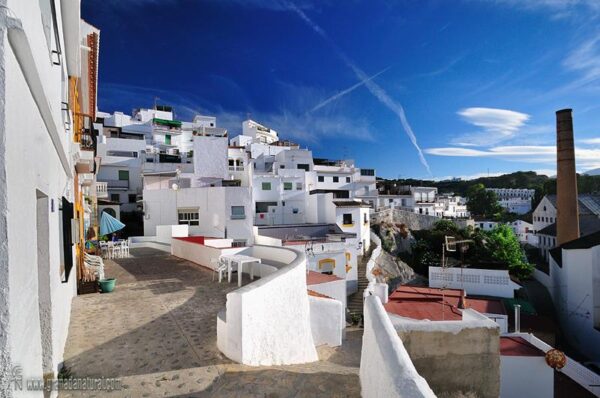
La Caleta is a district of Salobreña, located in the central-western part of the Costa Granadina. It is home to the last remaining sugar factory in Europe, built in the 19th century. During the visit, visitors receive explanations about its history and the production process.
Parque de La Fuente
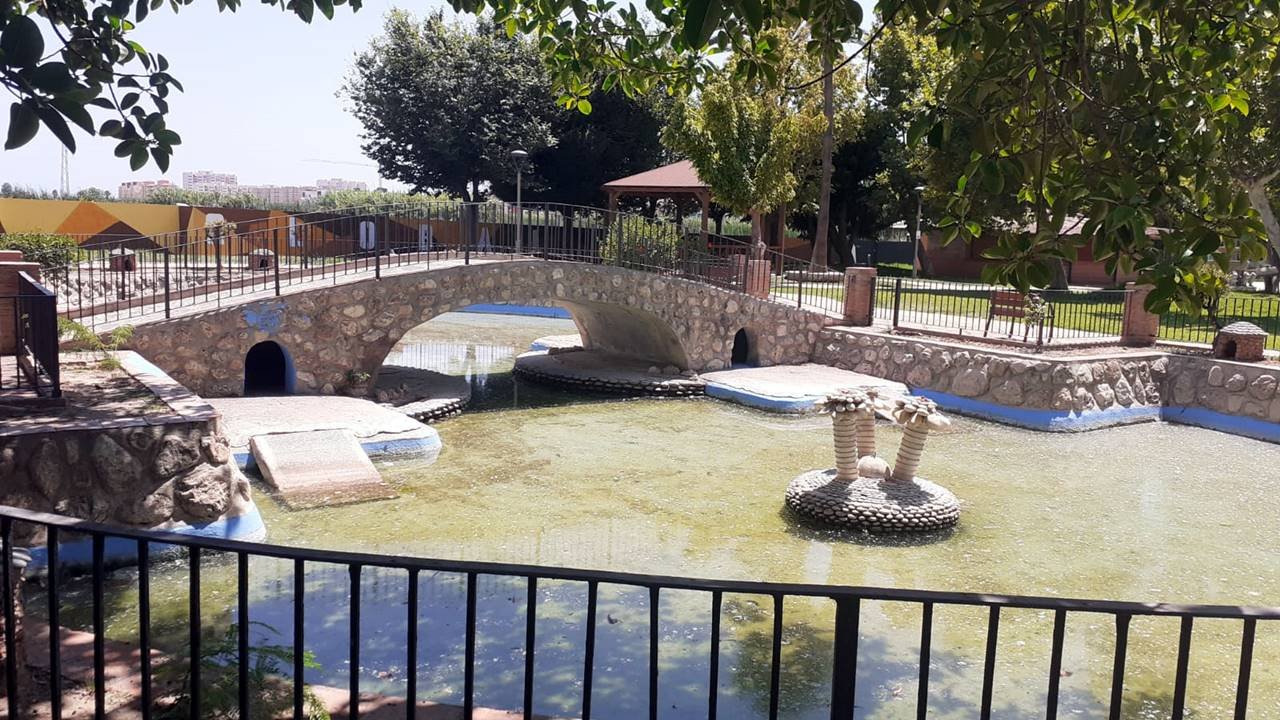
Located on Avenida del Mediterráneo, close to the beach, this large green space in Salobreña is home to numerous species of plants and flowers, as well as birds and other small animals. There is a playground area for children, and it is often used as a venue for events and cultural activities.
Beaches
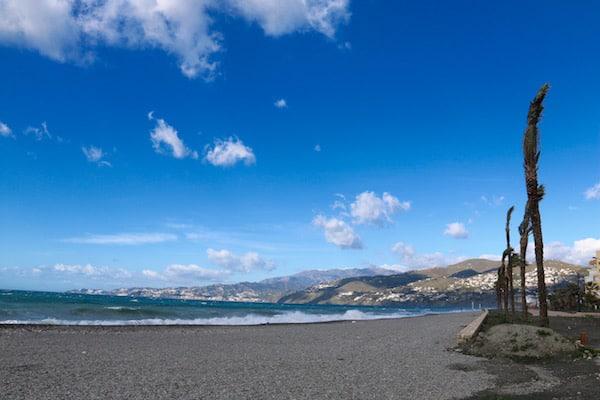
Along about 6 km of coastline, Salobreña boasts up to 4 beaches (La Guardia, Peñón Beach, Charca Beach, and Punta del Río Beach) and 3 coves (Caletón Cove, Pargo Cove, and Cambrón Cove).
Casa Roja / Fundación Martín Recuerda
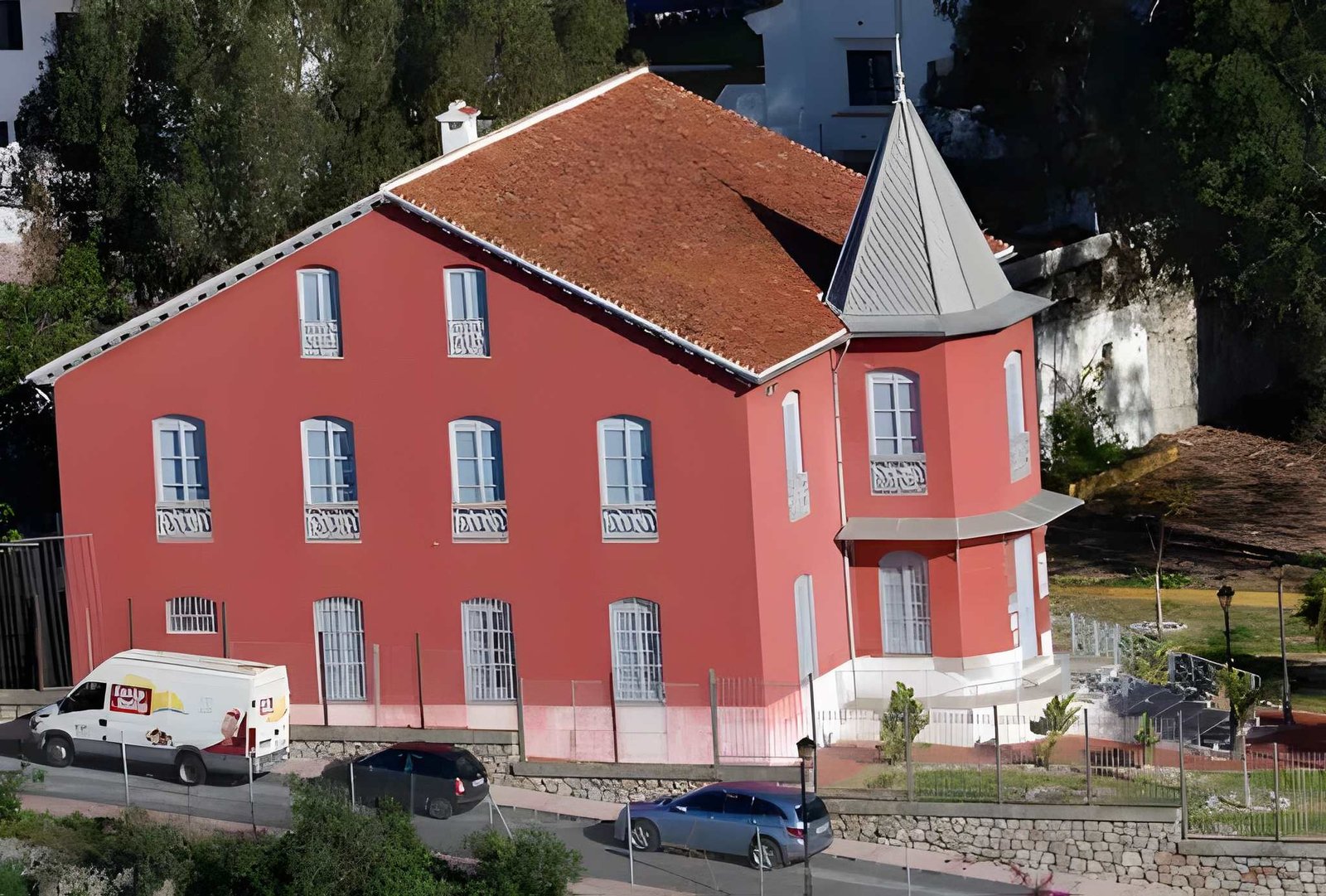
Constructed in 1905 by the proprietors of the San Francisco Sugar Mill, this house boasts a prominent polygonal tower with an ornate spire as its centerpiece. Inside, the grandeur and style of its era have been meticulously preserved. Currently, it serves as the location for Municipal Offices and the Visitor Center of the Martín Recuerda Foundation. Martín Recuerda, an esteemed Spanish writer and recipient of Spain’s National Theater Award, once called Salobreña home and eventually passed away here.
La Caleta Sugar Factory
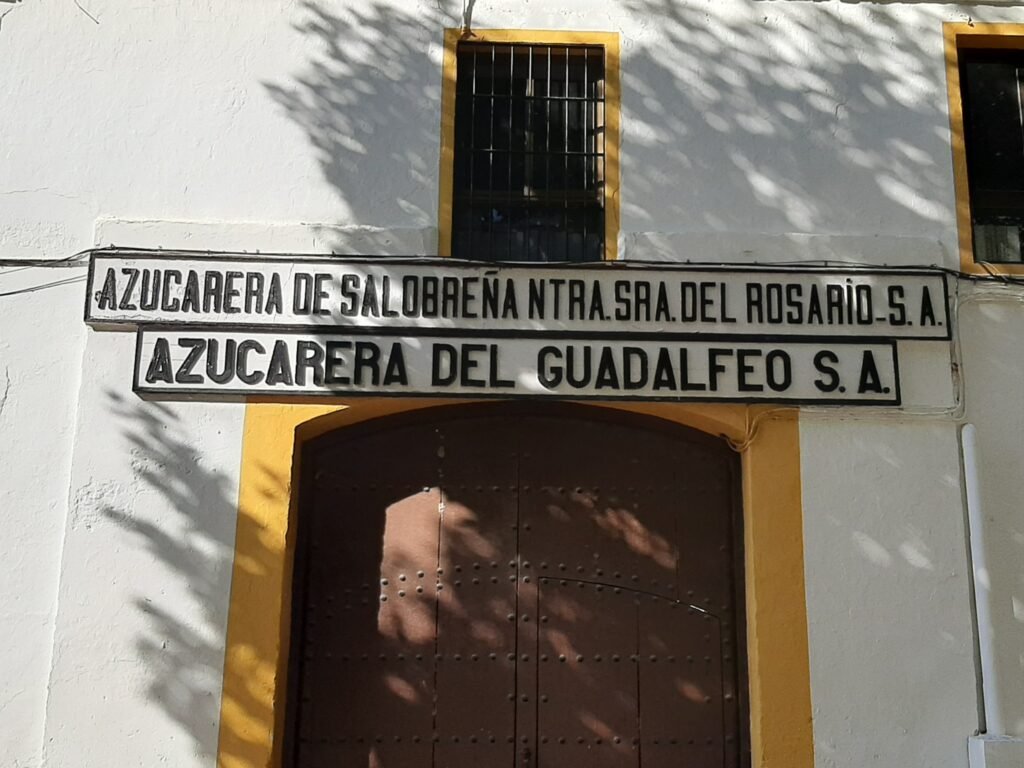
The sugar mill in La Caleta, built in 1861, holds significant historical value. It stands as the only factory in Europe that, for over a century, processed sugarcane to produce sugar, syrups, and alcohols for rum production and more. Closed in 2006, it is classified as a Cultural Heritage Site in Andalusia.