
- Home
- Business Directory
- Get the App
- Things To See & Do
- News
- Properties
- Event Guide
 ES
ES
Polopos
Polopos: Wine-Growing Tradition and Landscapes of the Contraviesa
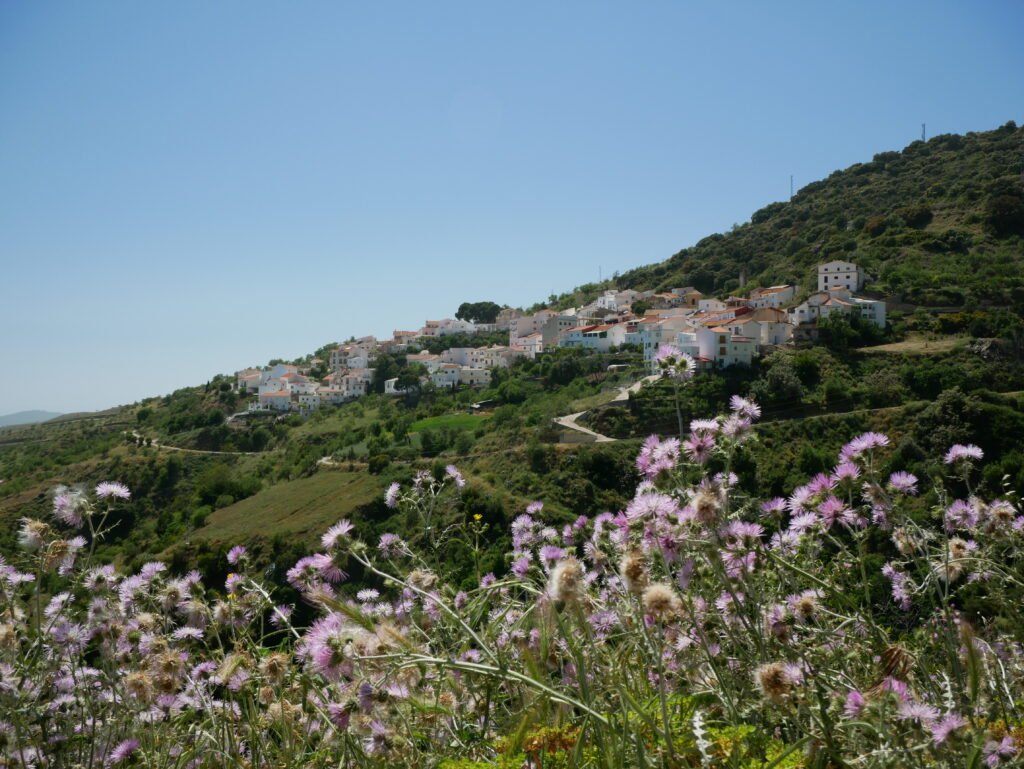
Polopos is a small village located in the eastern part of the Costa Tropical of Granada, on the southern slopes of the Sierra de la Contraviesa, overlooking a landscape of mountains, ravines and views of the Mediterranean Sea. Its elevated position (Polopos stands 800 metres above sea level) and rural surroundings give it a peaceful and authentic character, very different from the atmosphere of the coastal towns.
For those who want to experience the most authentic side of the Costa Tropical, Polopos offers tranquillity, history and a unique landscape between the mountains and the sea.
Landscape and Natural Surroundings
Polopos lies in a mountainous setting that gradually descends towards the coast. From its natural viewpoints it is possible to admire the Mediterranean and the slopes of the Contraviesa, an area known for its ravines, traditional crops and rural paths.
The traditional agricultural landscape still plays an important role in the surroundings. Grapevines have historically been the main crop, and even today they remain an essential part of both the scenery and the local economy. Other Mediterranean crops such as almond and fig trees are also common, as they adapt well to the dry and sunny climate of the area.
Population
Polopos is a small and peaceful village. The population is around 106 inhabitants, which helps maintain a close-knit atmosphere and a strong sense of community.
Its small size has allowed many local traditions to be preserved and fosters a very close relationship among neighbours, something that forms part of the charm of the villages of the Contraviesa.
History
After the Christian Reconquest, the area became part of the Lordship of Albuñol. In the centuries that followed, significant demographic and economic changes took place, especially after the expulsion of the Moriscos.
The subsequent agricultural reorganisation created a new model of land use in which vine cultivation and wine production became highly important, bringing economic vitality to the area. This wine-growing development left a lasting mark on both the landscape and the identity of the village.
Today, although the rural economy has evolved, grape cultivation remains one of the most representative crops of Polopos, together with almond and fig trees.
Services and Village Life
Despite its small size, Polopos has several services that give life to the village and make it an active place within the rural area of the Contraviesa. The village has several restaurants and bars that serve as meeting points for both locals and visitors, as well as a sports complex used for sporting activities and local events.
These establishments, together with agricultural activity and traditional celebrations, help maintain a lively social life throughout the year.
Things to Do in Polopos
Parish Church of Our Lady of the Rosary
One of the most representative buildings in the village is the Parish Church of Our Lady of the Rosary, located in the centre of the village. Built in the 18th century, the church was constructed on the site of the former mosque of the settlement. Today it is a central place for the religious and social life of the community and forms part of the local historical heritage.
Fuente El Pilar
One of the historical features of the village is Fuente El Pilar, which in the past supplied water for residents and was also used to water animals involved in agricultural work. Today it remains a small reminder of traditional rural life and of the importance of water in mountain villages.
Traditional Architecture
The village centre preserves the characteristic style of settlements with Nasrid heritage, featuring narrow streets and whitewashed houses adapted to the hillside terrain.
Rural Landscape
The surroundings of Polopos are made up of cultivated fields, rural paths and hillsides covered with vineyards, almond trees and fig trees. These landscapes reflect the village’s agricultural history and are ideal for peaceful walks or hiking routes.
Natural Viewpoints
Due to its elevated location, Polopos offers several spots from which to admire the landscapes of the Contraviesa and the Mediterranean. These natural viewpoints are one of the village’s attractions for those interested in photography or simply enjoying the quiet surroundings.
The Polopos Wine Festival
One of the most notable celebrations in the village is the Polopos Wine Festival, an event that honours the area’s long wine-growing tradition. During the festival, tastings, cultural activities and community gatherings are organised, highlighting the historical importance of vine cultivation in the municipality.
The festival has become a special occasion that brings together residents and visitors while keeping alive a tradition that forms an essential part of the village’s identity.