
Albondón: the Contraviesa balcony overlooking the Mediterranean

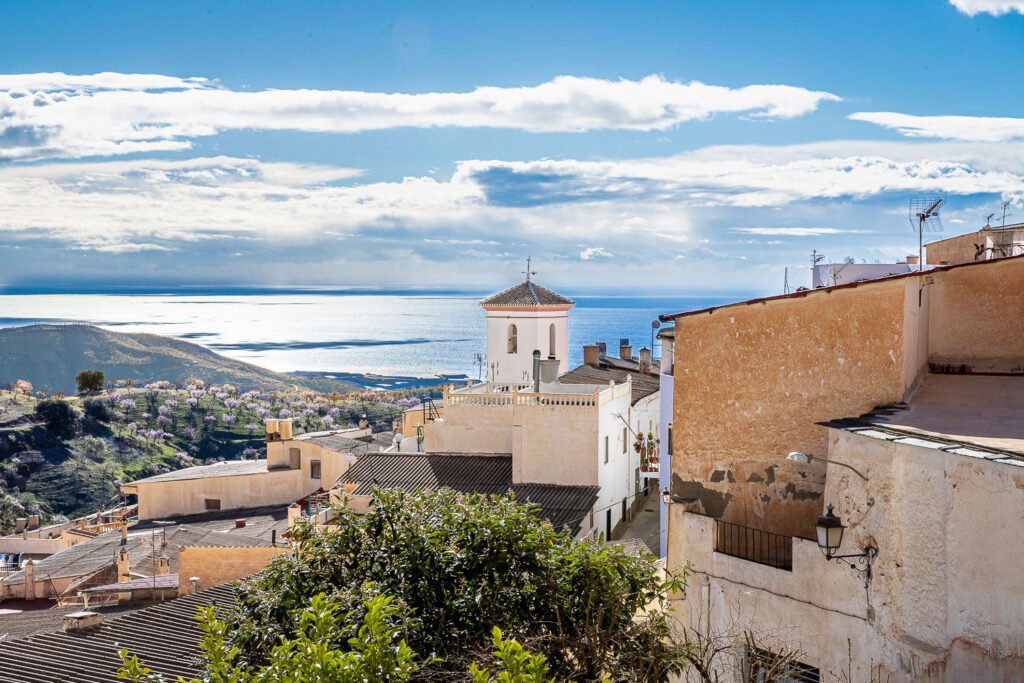
Albondón is a village located on the southern slopes of the Sierra de la Contraviesa, within the Costa Tropical region of Granada. Its elevated position, around 800 meters above sea level, allows it to overlook a landscape of mountains descending toward the Mediterranean, creating one of the most distinctive environments in this area of southern Spain.

The municipality is characterized by its tranquility, its strong agricultural tradition, and a landscape shaped by vineyards and almond trees. Over the centuries, Albondón has preserved a deeply rooted rural identity that today forms part of its appeal for those seeking to experience the most authentic side of the Costa Tropical.

Albondon 02

Landscape and natural surroundings

The municipal area of Albondón extends across the southern slopes of the Sierra de la Contraviesa, a mountain range parallel to Sierra Nevada that descends toward the Mediterranean coast. This mountainous setting combines ravines, hills, and traditional farmland, creating a landscape characteristic of the Granada Alpujarra.

The dry and sunny Mediterranean climate particularly favors the cultivation of vineyards and almond trees, two of the most visible elements of the local agricultural landscape. These conditions have made Albondón one of the villages with the strongest winemaking tradition in the area.

In addition, the natural surroundings around the village include numerous rural paths, ancient irrigation channels, and hiking routes that allow visitors to explore the nature of the Contraviesa and enjoy panoramic views of the coast and nearby mountains.

History

The origins of Albondón date back to the Arab-Andalusian period, when the village experienced significant development thanks to the agricultural use of its lands.

After the Christian conquest and the subsequent expulsion of the Moriscos in the 16th century, the area suffered significant depopulation. The territory later became part of the lordship of the Count of Cifuentes until Albondón gained independence from the municipality of Albuñol in 1653.

During the 19th century the village experienced a period of great prosperity thanks to the production of wine and raisins, products that were exported to other countries through nearby Mediterranean ports such as La Mamola and La Rábita. At that time the population reached nearly 4,000 inhabitants.

Although Albondón later experienced demographic decline, it still maintains a strong agricultural tradition, especially linked to wine production.

albondon7

Wine culture

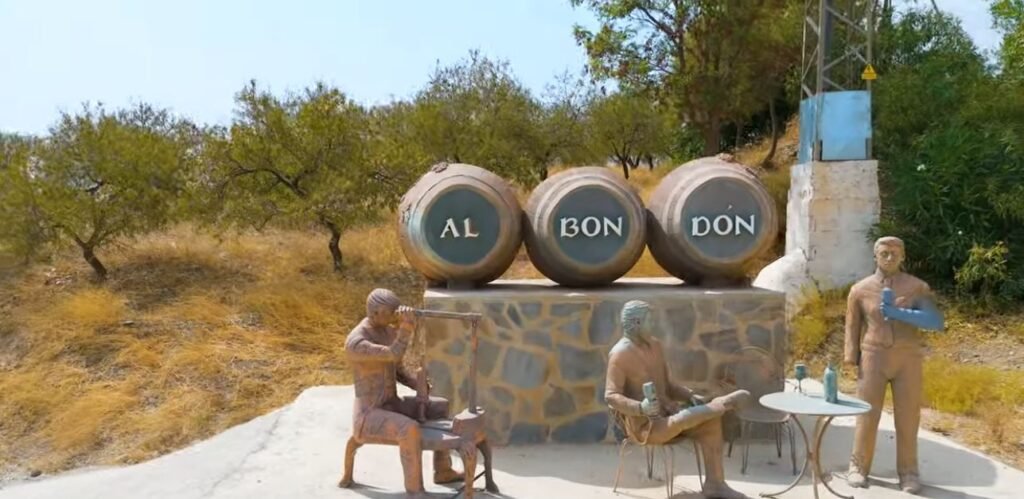
Viticulture has historically been one of the main economic and cultural pillars of Albondón. For centuries, small farmers cultivated their own vineyards and produced wine in family presses located in their homes or rural farmhouses.

Today this tradition remains alive and is an important part of the village’s identity. The Albondón Wine Museum allows visitors to learn about this history through old winemaking tools, barrels, presses, and audiovisual material explaining the evolution of wine culture in the area.

The wines produced in the Contraviesa belong to the geographical indication “Vino de la Tierra Cumbres del Guadalfeo”, which recognizes the winemaking tradition of this region of Granada.

What to see in Albondón

Parish Church of San Luis

The most important monument in the village is the Parish Church of San Luis Rey de Francia, the patron saint of Albondón. This church occupies a prominent place in the center of the village and is one of the main elements of its historical heritage.

Plaza de la Constitución

The Plaza de la Constitución is the heart of social life in the municipality. Several of the most representative buildings of the town center are located here, and it is the place where many of the village’s festivals and events take place.

Viewpoints and landscape

Due to its elevated location, Albondón offers several spots from which to contemplate the landscapes of the Contraviesa and the Mediterranean. One of the best known is the Era Santiago Manzano viewpoint, from which visitors can enjoy panoramic views of the surrounding area.


albondon4

Fountains and rural heritage

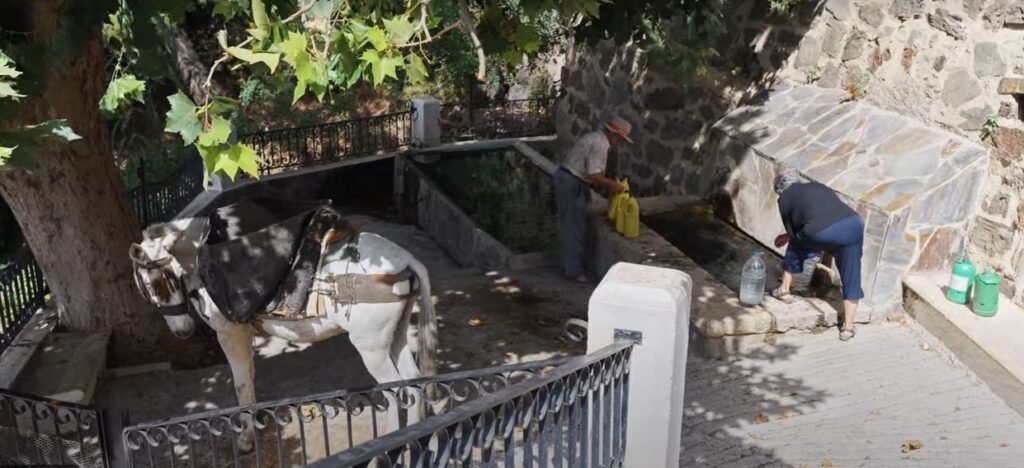
The village preserves several historic fountains such as Las Fuentezuelas and old communal washhouses, elements that recall the importance of water in the daily life of mountain villages.

Traditions and festivals

The patron saint festivities in honor of San Luis Rey de Francia, celebrated around August 25, are one of the most important moments in the local calendar. During these days cultural activities are organized along with the traditional reenactment of Moors and Christians in the village square.

Another notable celebration is the San Isidro pilgrimage in May, when residents and visitors gather to enjoy local gastronomy and wine from the area.

Services and life in the village

Despite its small size, Albondón offers a variety of services that help maintain an active community life and meet the needs of its residents.

The village has several public facilities that contribute to its cultural, educational, and sporting life. These include the Guadalinfo Center, which provides computer access and training activities; the Municipal Library; a municipal gym; the Adult Education School; and the Infanta Cristina Public School, which serves the children of the municipality. There are also community spaces such as the Casa de la Cultura and the Nave de La Alpujarra used for events and activities, as well as children’s playgrounds, a football field, and paddle tennis courts used for sports and community gatherings.

In addition to these public services, Albondón has several bars and restaurants that serve as social meeting points for both residents and visitors. The village also has small shops and supermarkets where basic goods and local products can be purchased, many of them related to the area’s agriculture, such as wines, almonds, and traditional products from the Alpujarra.

These services, together with cultural activities and traditional celebrations, help maintain a lively social atmosphere throughout the year in this small village of the Contraviesa.


You might be also interested in...

We use cookies to personalise content and ads, to provide social media features and to analyse our traffic needed by Google Analytics.   View more
Accept