- Home
- Business Directory
- Get the App
- Things To See & Do
- News
- Properties
- Event Guide
 ES
ES
Argaric Site of Cerro de la Encina in Monachil
The Argaric Site of Cerro de la Encina in Monachil
The Cerro de la Encina, located in the municipality of Monachil in Granada, is one of the most significant archaeological sites for understanding the El Argar culture, one of the most influential societies of Late Prehistory on the Iberian Peninsula. Occupied between the 19th and 13th centuries BCE, this fortified settlement provides a unique insight into how the Argaric people lived, organised their communities, and buried their dead. Its well-preserved structures and artefacts allow historians and visitors alike to reconstruct daily life, social organisation, economic activity, and funerary practices of this complex society. Recognised as a key reference for the study of the Argaric culture in eastern Andalusia, the Cerro de la Encina offers an exceptional opportunity to connect with a past dating back over 3,500 years.
A Strategic Location
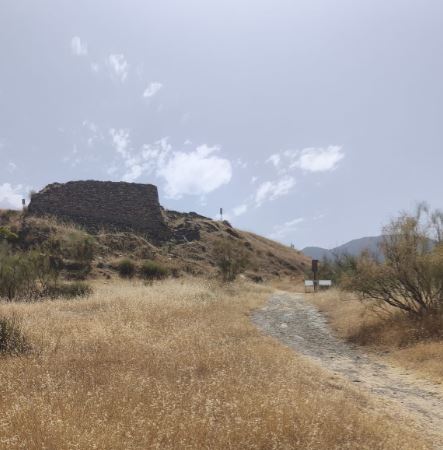
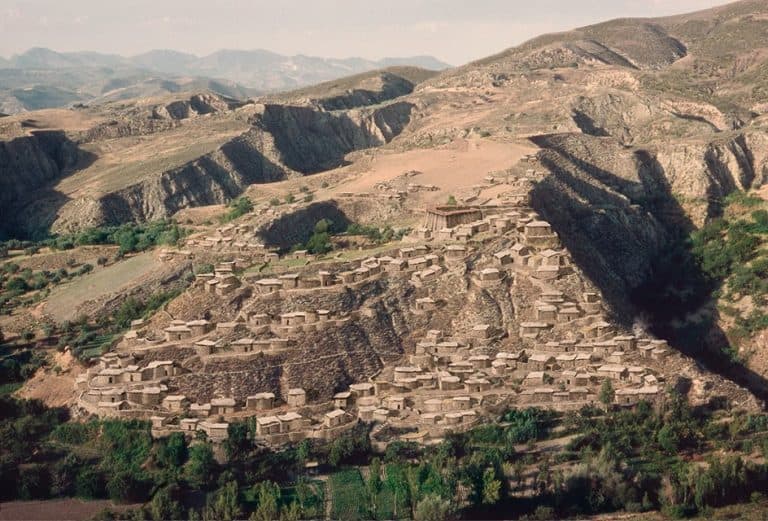
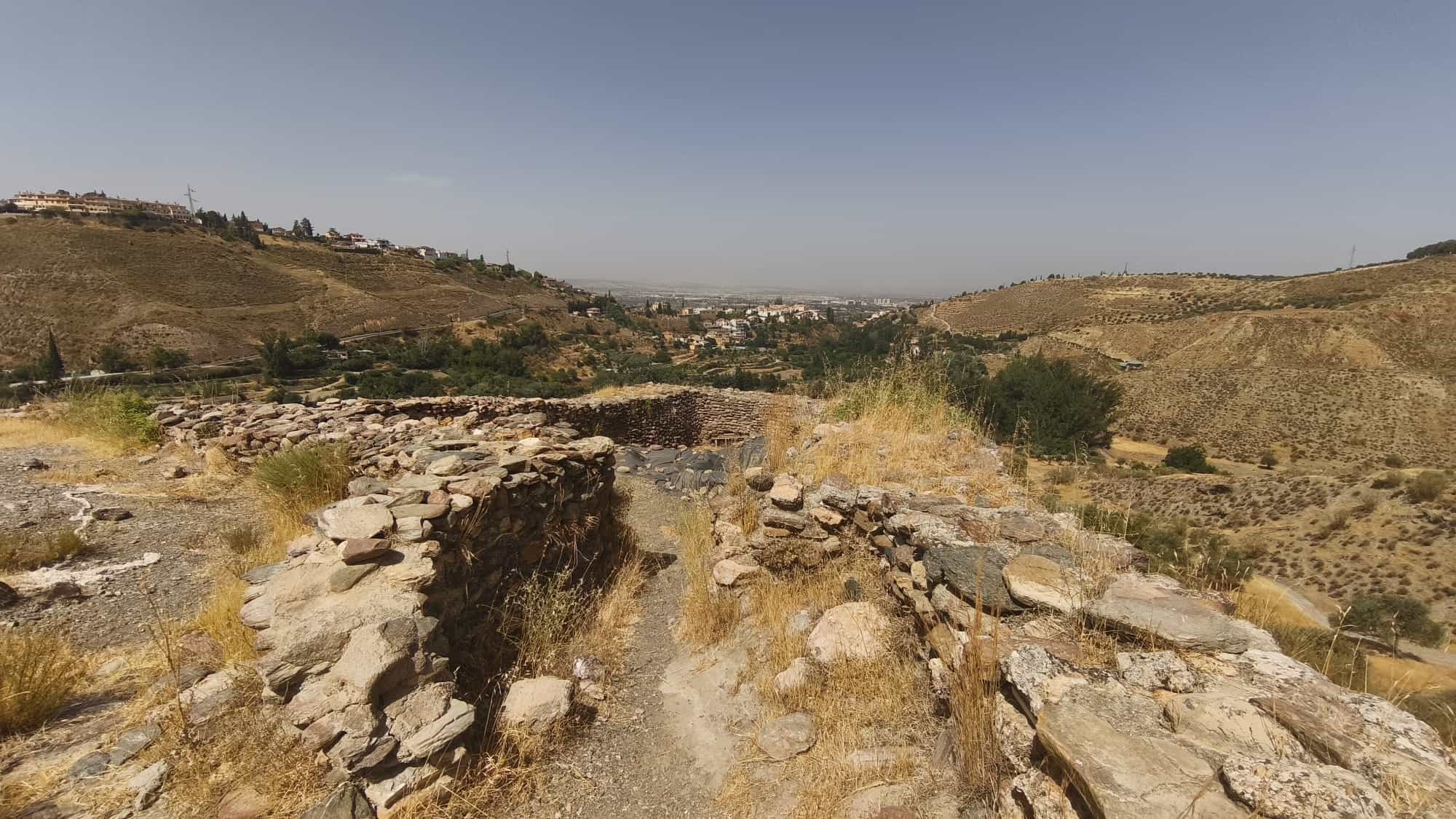
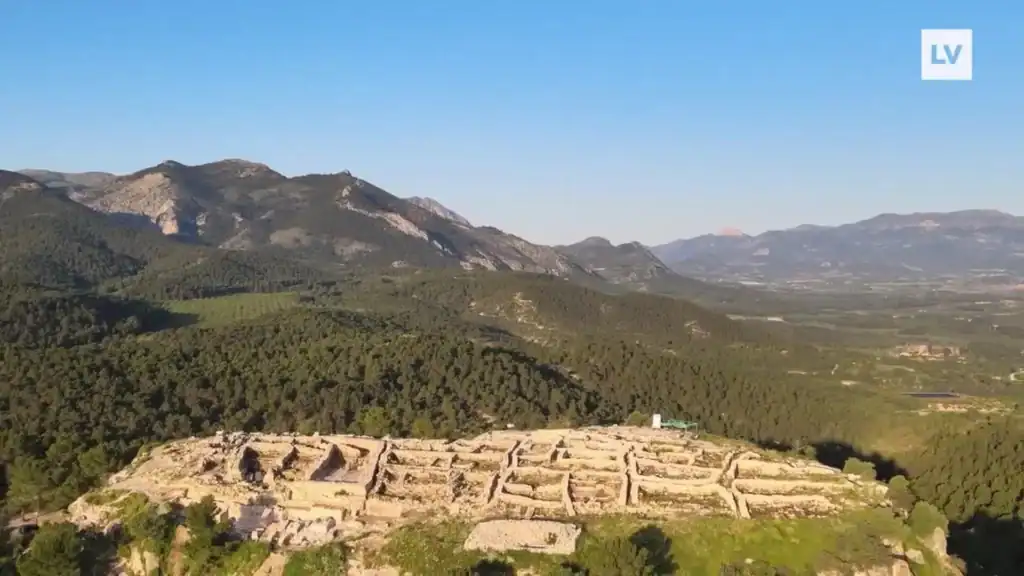
The site sits atop a steep spur overlooking the Monachil River, in a strategic position that allowed control of the route between the Genil River valley and the pastures of Sierra Nevada. This location provided defensive advantages and also facilitated irrigated agriculture, supported by a then higher-flowing river, as well as dryland crops on terraces and plains that can still be identified today. Evidence also exists of sheep, goat, and horse husbandry, as well as hunting of local wildlife, including wild boar, mountain goats, and badgers.
Settlement Organisation
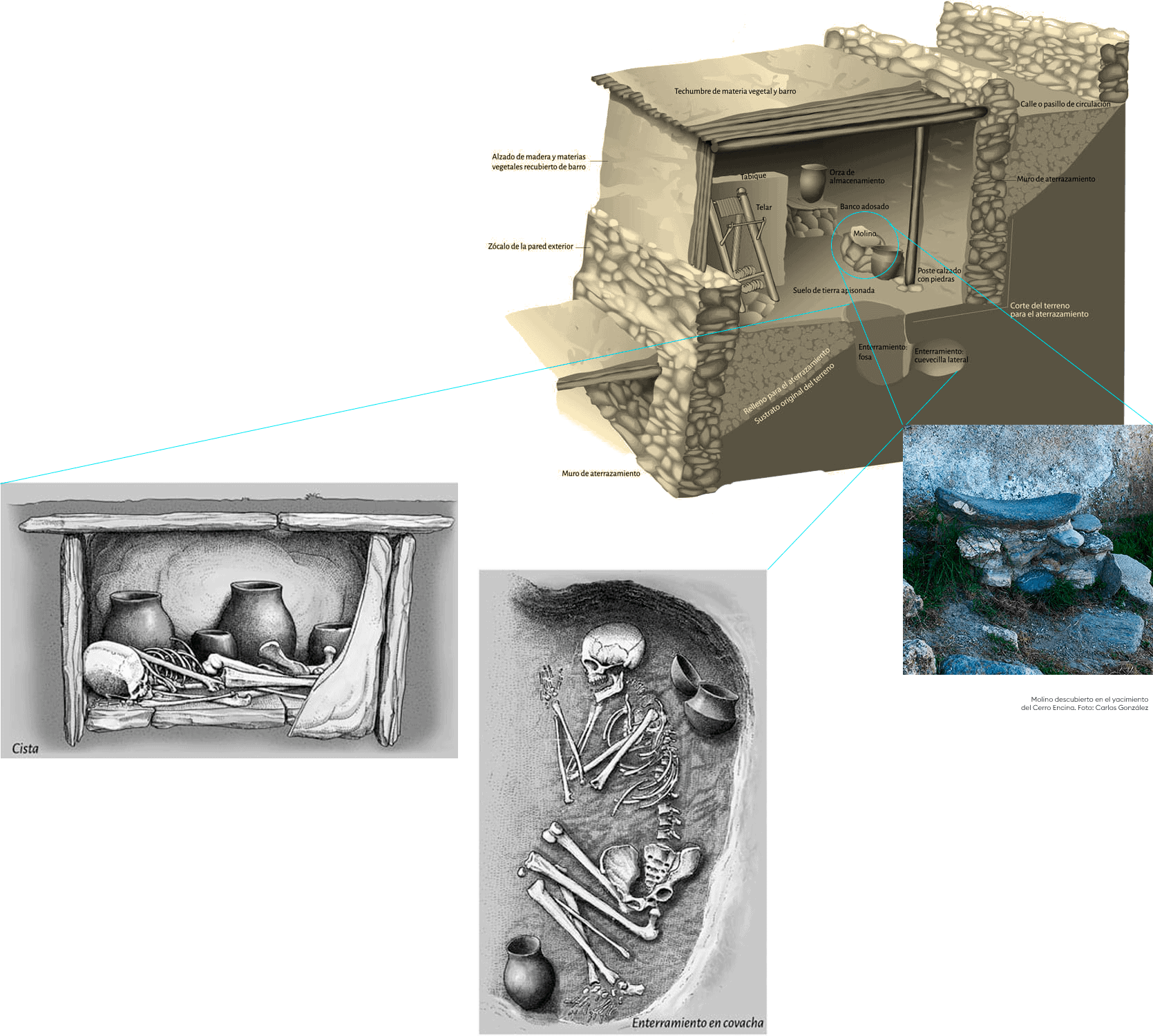
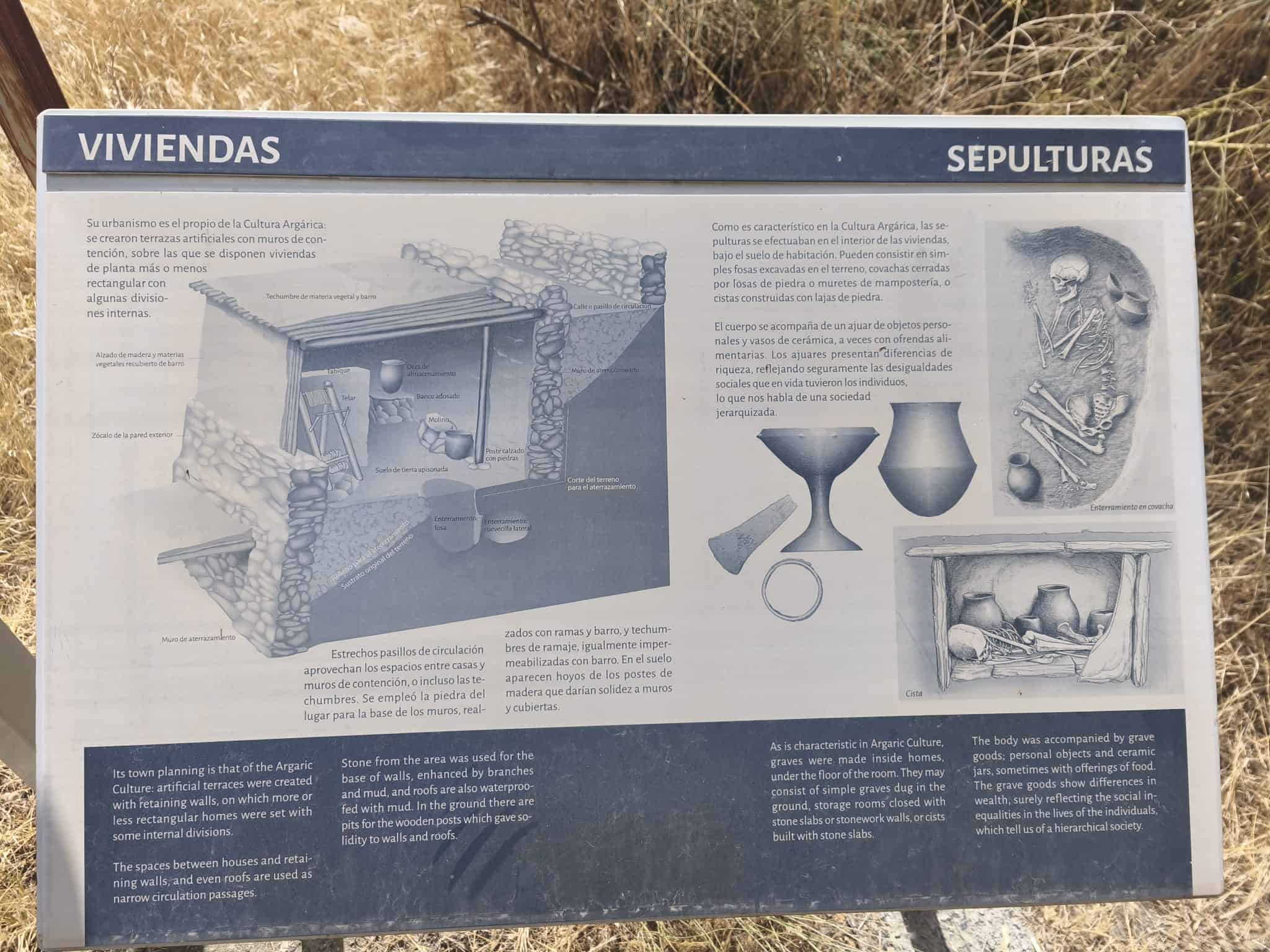
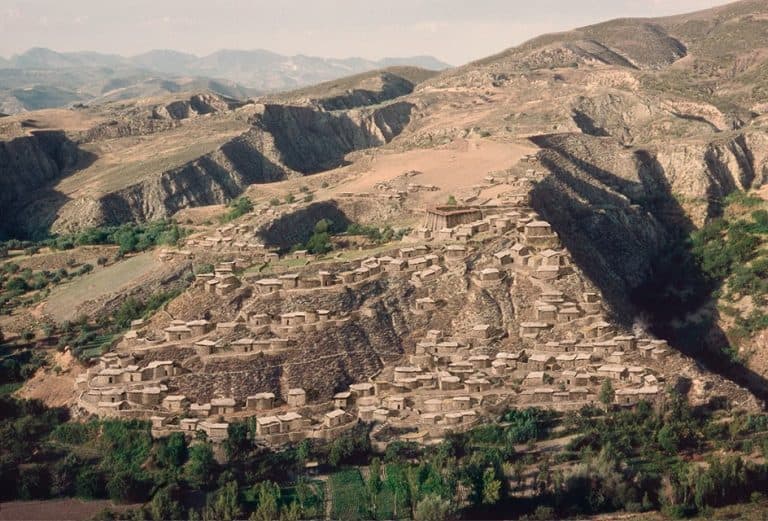
The Cerro de la Encina comprised a fortified enclosure with walls and bastions, and a settlement developed on terraces adapted to the terrain. Most dwellings were constructed with rammed earth or adobe walls and were rectangular, although some apsidal buildings have been identified. Storage structures and metalworking areas indicate that the site was not only a residential hub but also a centre of production, reflecting the Argaric mastery of copper and bronze metallurgy, an activity that created surpluses and reinforced social inequalities.
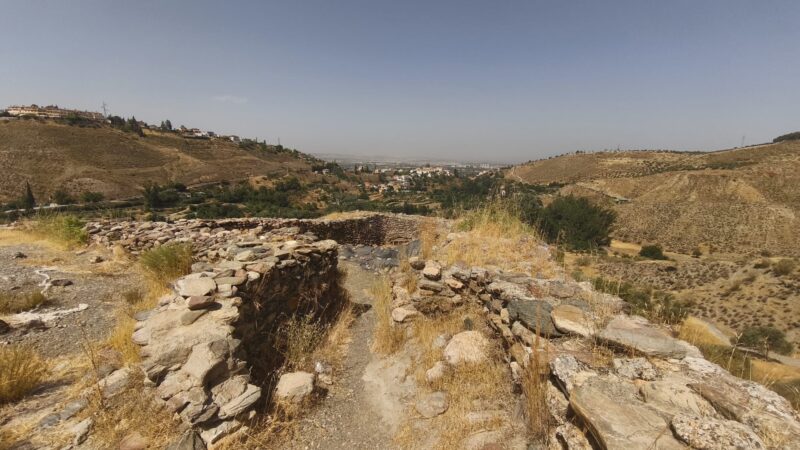
The Bastion
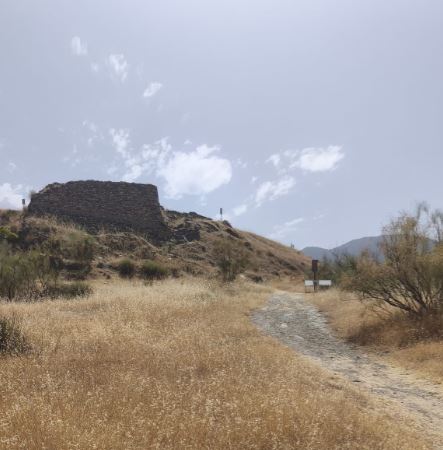
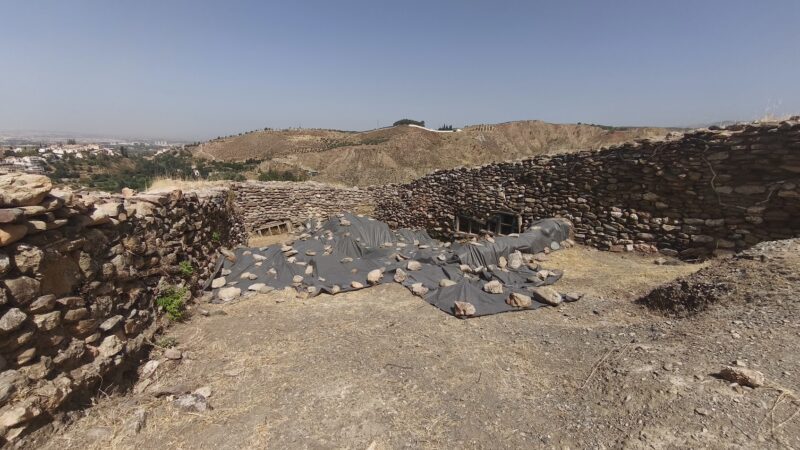
The most prominent feature of the site is the bastion, a strategic fortification protecting the settlement and providing full visual control over the valley and river. Built mainly with stones brought from the surrounding area, the bastion symbolised both power and resilience, serving defensive and surveillance purposes.
Acropolis
The acropolis, the highest part of the settlement, was also the most heavily fortified and housed the highest-status animals, such as horses, reserved for the elite. Its elevated, protected position served as both a defensive stronghold and a symbol of hierarchy within the Argaric society. The layout of the acropolis reflects the unequal and militarised structure typical of Argaric settlements.
Funerary Practices
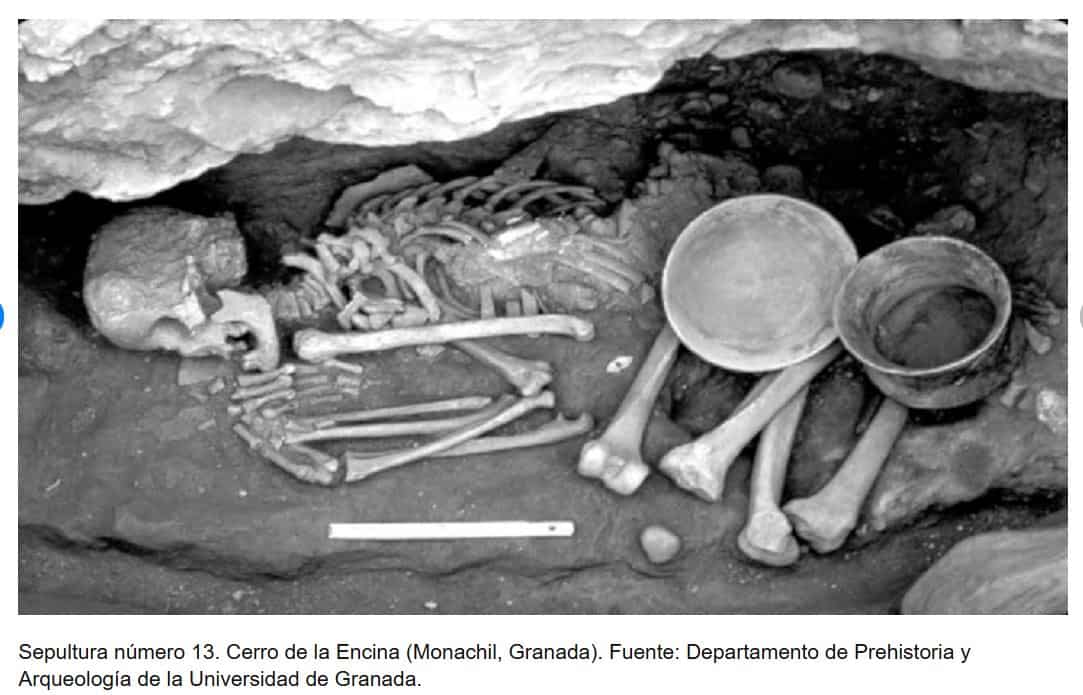
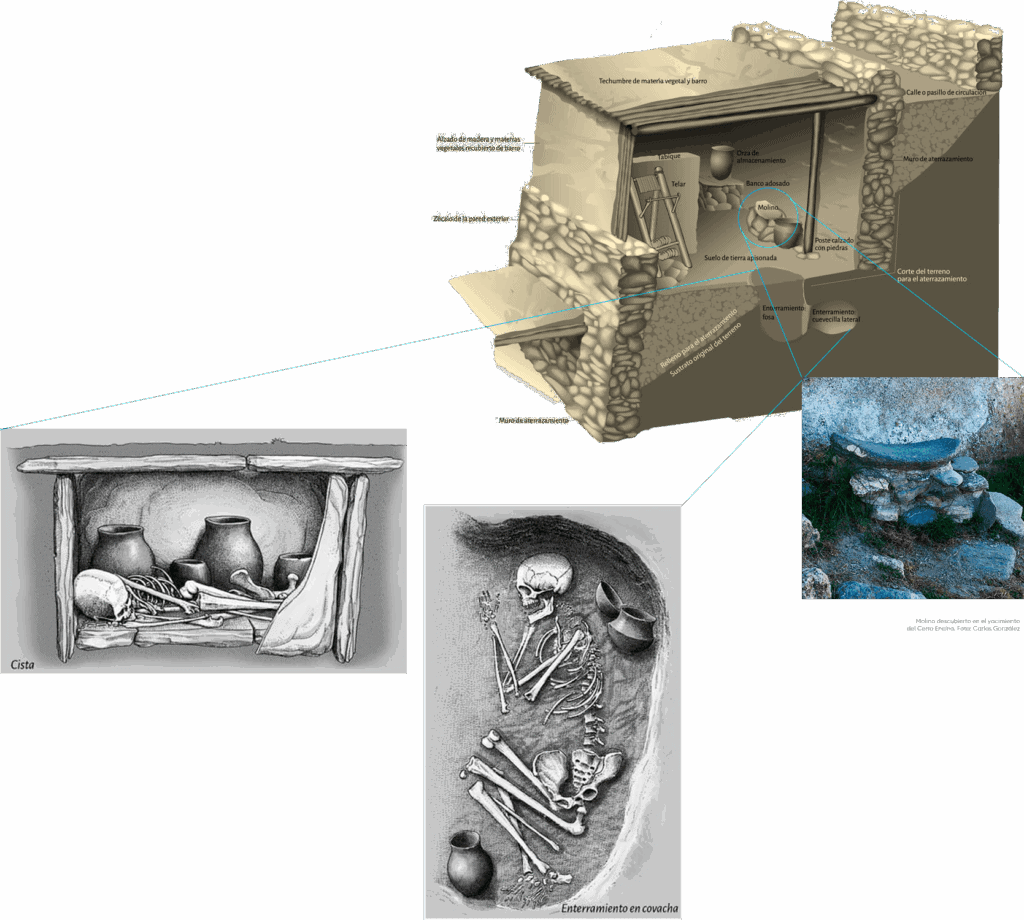
The intramural necropolis provides valuable insight into Argaric society. Nineteen skeletons with their grave goods have been studied, including Argaric cups, earrings, silver and copper bracelets, knives, and awls. The wealthiest burials were found in the upper part of the settlement and include children’s graves with significant grave goods, highlighting the hierarchical nature of the society and the correlation between social status and access to certain resources.
The Copper Age and the Argaric Culture
Visiting the Cerro de la Encina is like taking a walk through the Copper Age, a pivotal period in human history (4500–3000 BCE) that marked the beginning of metallurgy and artisanal specialisation. The El Argar culture, flourishing between 2200 and 1550 BCE, represents one of the first urban and state-level societies in the western Mediterranean, with a hierarchical social organisation and an economy based on agriculture, livestock, and arsenical copper mining.
La Almoloya (Pliego, Murcia)
How to Visit the Cerro de la Encina Archaeological Site
Access: The Cerro de la Encina is just 1,6 kilometres from the centre of Monachil. To reach the site, start from Plaza Miraflores in Monachil and follow Calle Alcornoque and then the Acequia del Alcornoque path, also called San Antón path (marked with green and white signs). The path has a total length of slightly more than 2 km, and the Argaric archaeological site is located roughly halfway along the route, at the level of the second wooden bridge that crosses the acequia. The trail is suitable for walking, offers scenic views of the surrounding valley, and includes several informative panels.
Guided Visits: There are currently regular guided visits as part of the divulgation program organised by the Junta de Andalucía, with archaeologist-led tours available from June to December. Reservations can be made by phone at +34 603 844 594 or by email at conocelosenclavesdegranada.ctcd@juntadeandalucia.es
Galería