The Roman Villa of Las Gabias: From the “Televised Baptistery” to a Unique Archaeological Site in Granada
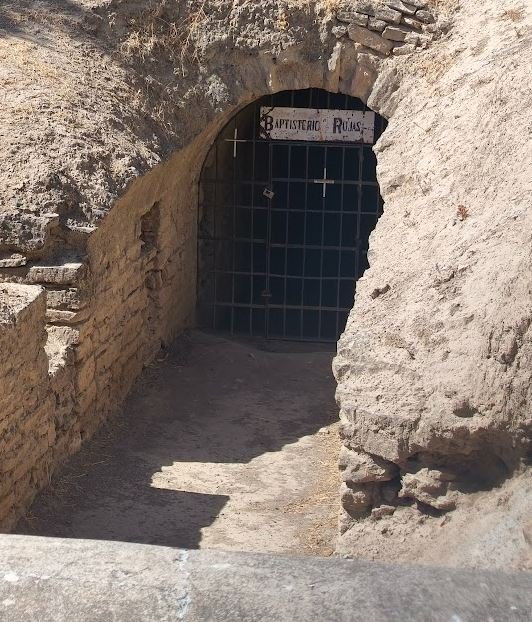
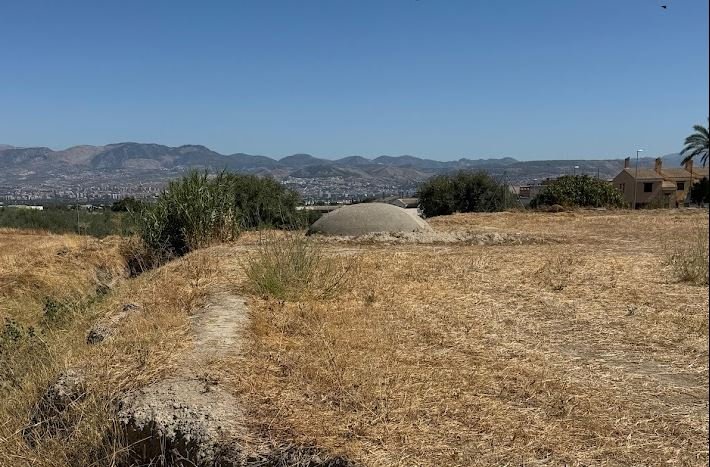
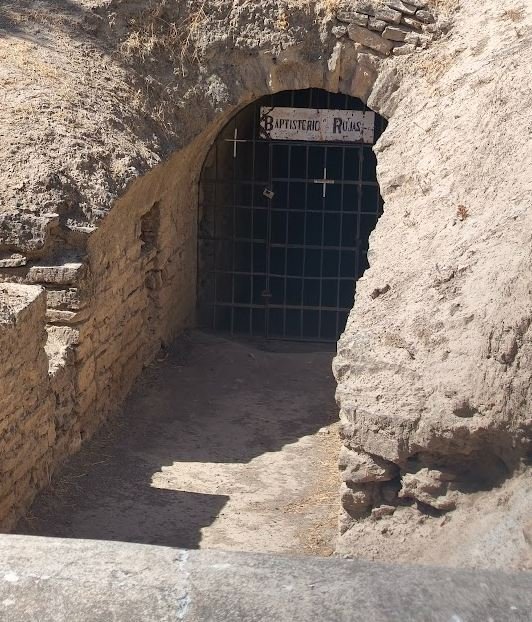
Just a few kilometers from the city of Granada, Las Gabias holds a secret that for decades intrigued archaeologists, curious visitors, and locals alike: the so-called “Roman baptistery,” declared a Historic-Artistic Monument in 1931 and a Site of Cultural Interest in 2002. However, recent research has completely transformed the understanding of this monument. Today, we know that it is neither a paleochristian baptistery nor an isolated building, but the heart of a high-ranking Roman villa, comparable to the grand imperial residences of Rome or Pompeii.
From Baptistery to Roman Villa: A Change in Interpretation
The initial hypothesis that the structure was a 1st-century paleochristian baptistery rested on two factors. The first was the comparison made by archaeologist Juan Cabré, who conducted the earliest excavations, with other baptisteries he had personally studied in Italy. The second was the broader context of a highly turbulent period in Spanish history, when it was politically useful to foster patriotic sentiment through various means. In this case, religion served as a unifying social force, under the pretext that Spaniards descended from the very first Christians as early as the 1st century A.D.
Nevertheless, even at the time of its discovery there were those who suggested it could have been a Roman cryptoporticus, although the official interpretation remained that of a baptistery well into the 20th century.
New Discoveries That Change History
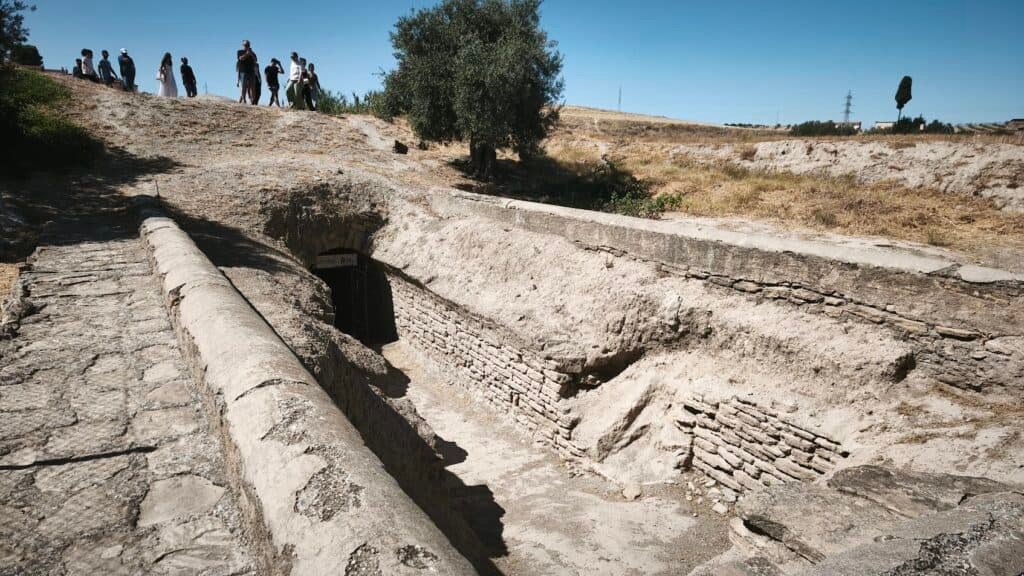
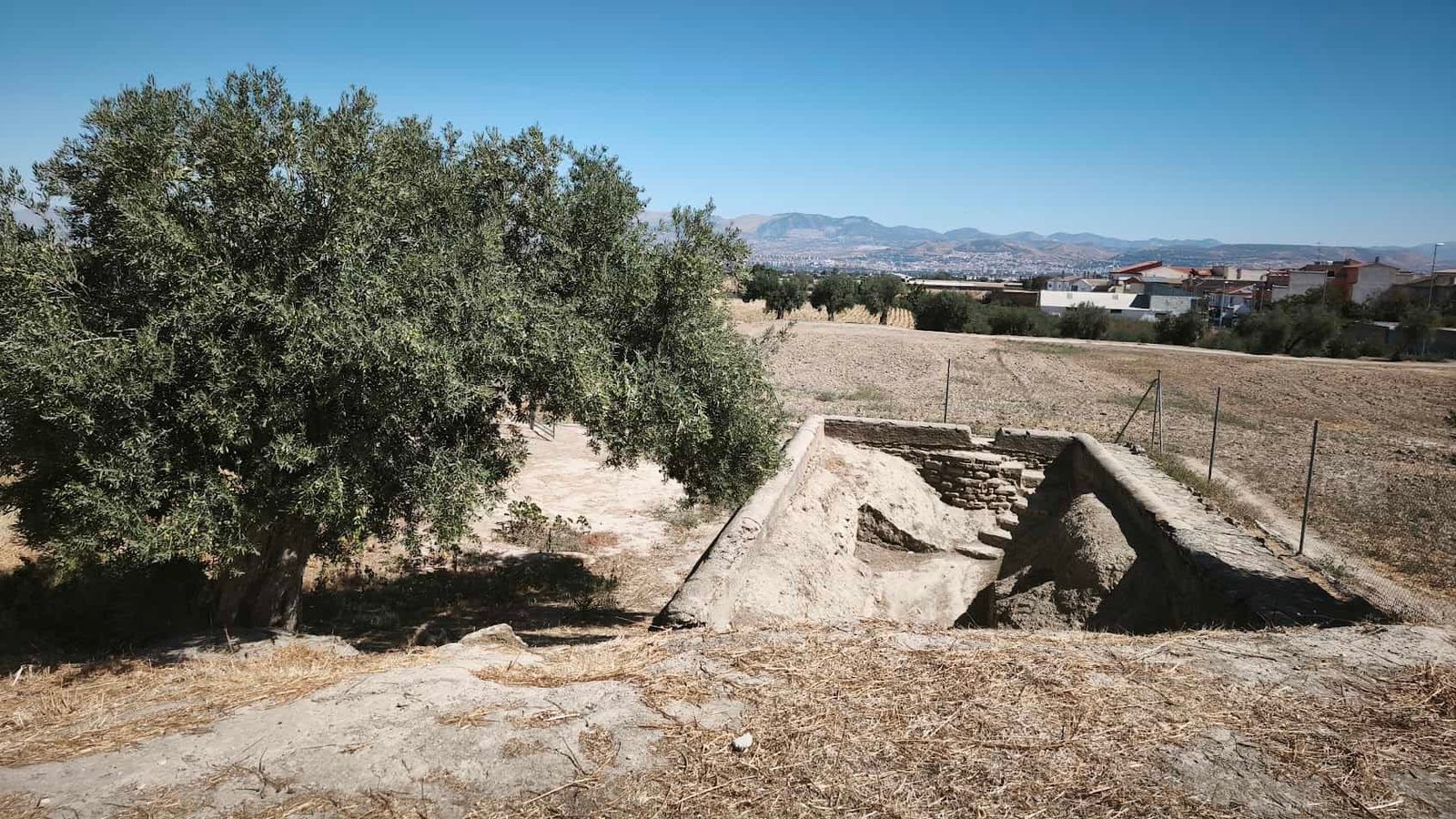
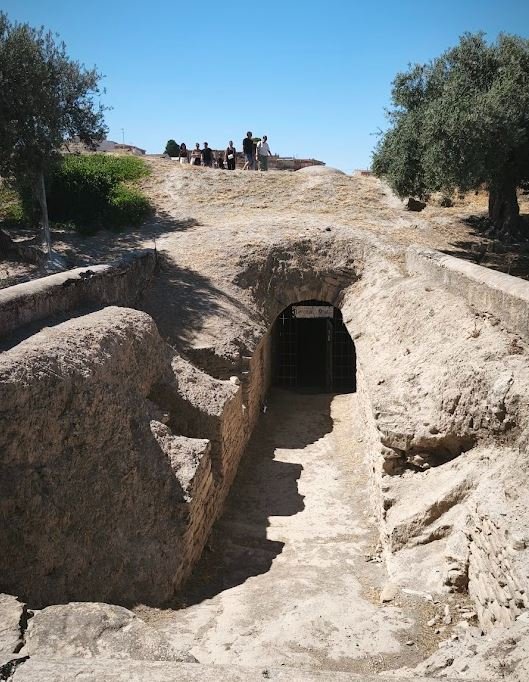
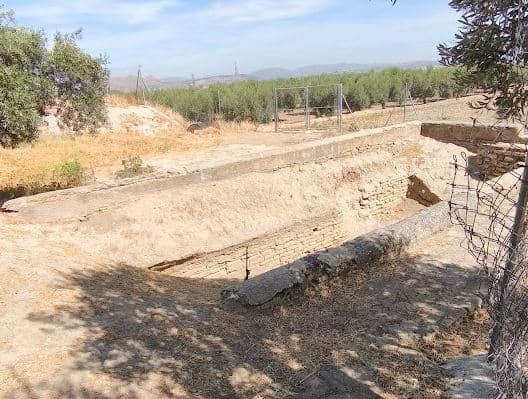
Four consecutive archaeological campaigns have revealed the true scale of the site: a monumental rural complex with gardens, residential quarters, agricultural spaces, and an impressive underground cryptoporticus, long misinterpreted as a baptistery.
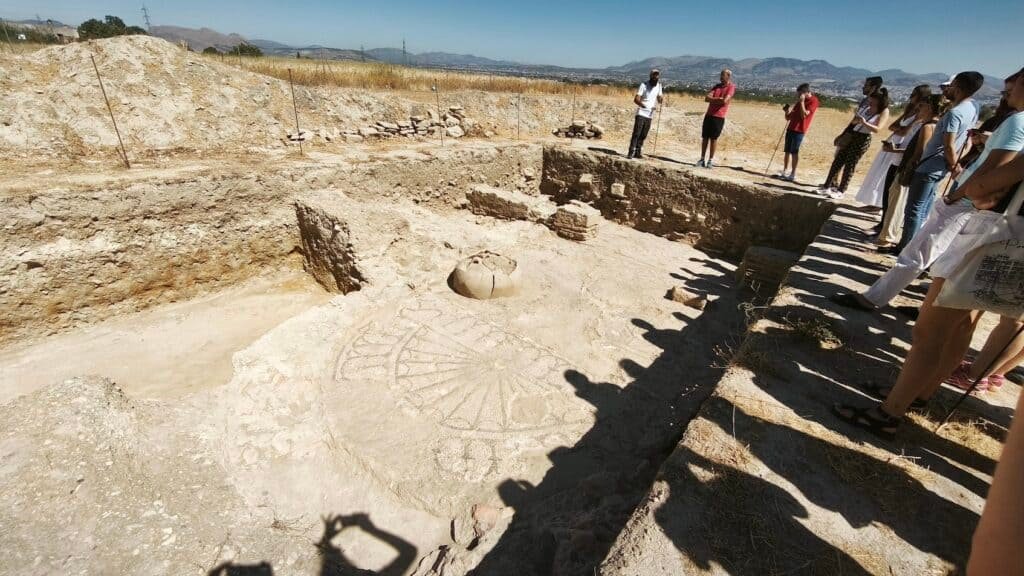
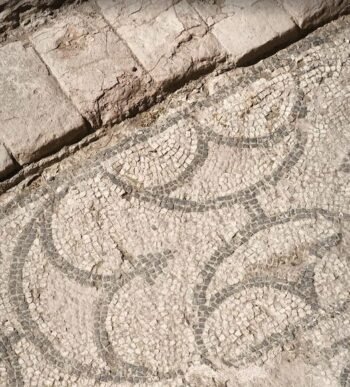
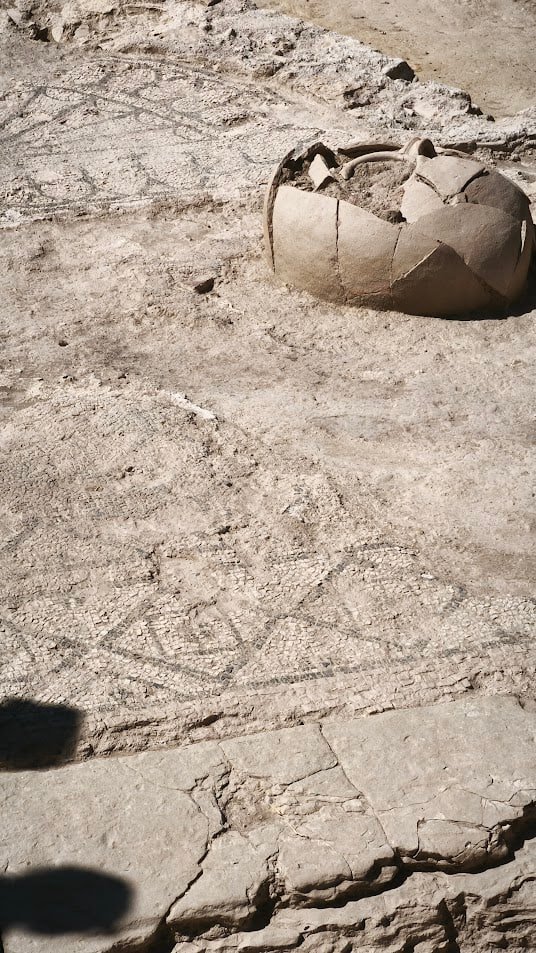
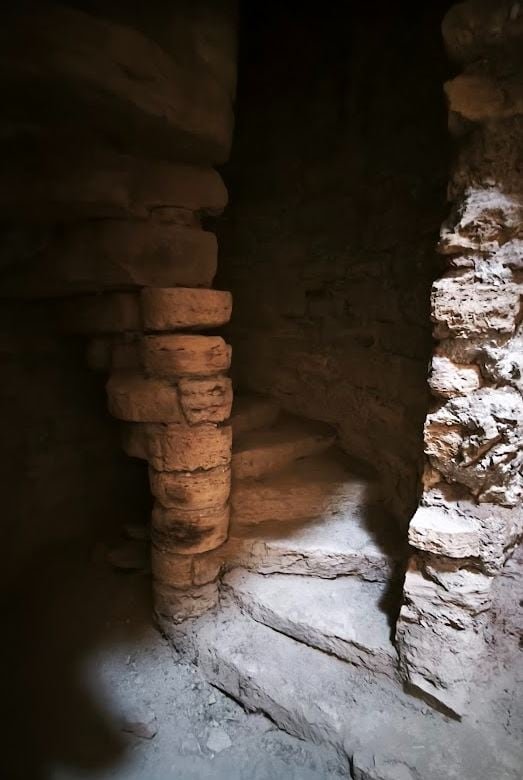
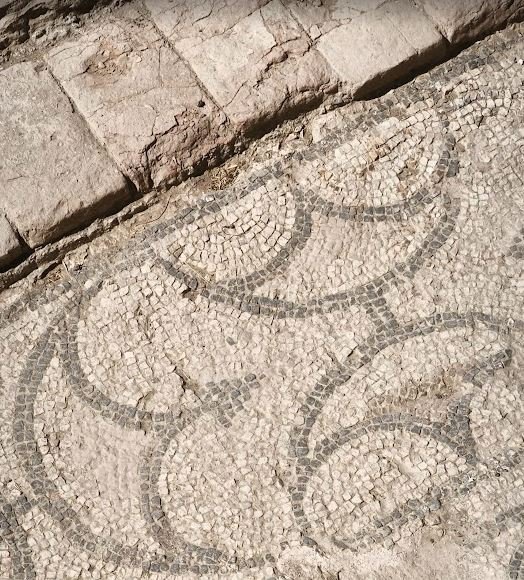
Among the most spectacular findings is a monumental marble staircase—the original access to the cryptoporticus—and remnants of flooring that indicate there was an open, walkable space above it. Polychrome mosaics, a cubiculum (bedroom), representative rooms, and possibly a set of baths have also been identified. Altogether, these discoveries confirm that Las Gabias was a center of economic and social power in the Vega de Granada during antiquity.
The Rojas Family: Guardians of the Monument
The recent history of this site cannot be understood without the Rojas family, descendants of Francisco Serrano, the farmer who fortuitously discovered it in 1920 while plowing his land. For several months, he continued the excavations with the help of his workers without immediately notifying the authorities. This circumstance reflects the reality of the time, marked by the absence of clear heritage protection regulations. The family also distributed some of the baptistery’s remains among local residents, such as the parish priest, which were later recovered.
In 1921, the archaeologist Juan Cabré carried out the first systematic excavation of the monument, and in 1929 Leopoldo Torres Balbás undertook the fencing and restoration of the gallery, actions that culminated in its declaration as a Historic-Artistic Monument in 1931. Later, in 1972, Manuel Sotomayor promoted a small archaeological intervention and attempted the expropriation of part of the site by the state, although the portion belonging to the Serrano Rojas family was not included.
After Francisco Serrano’s death, his grandchildren (Josefina, Miguel, and Encarnita) guarded the monument’s entrance for decades, allowing occasional visits to interested parties.
When Television Put It on the Map
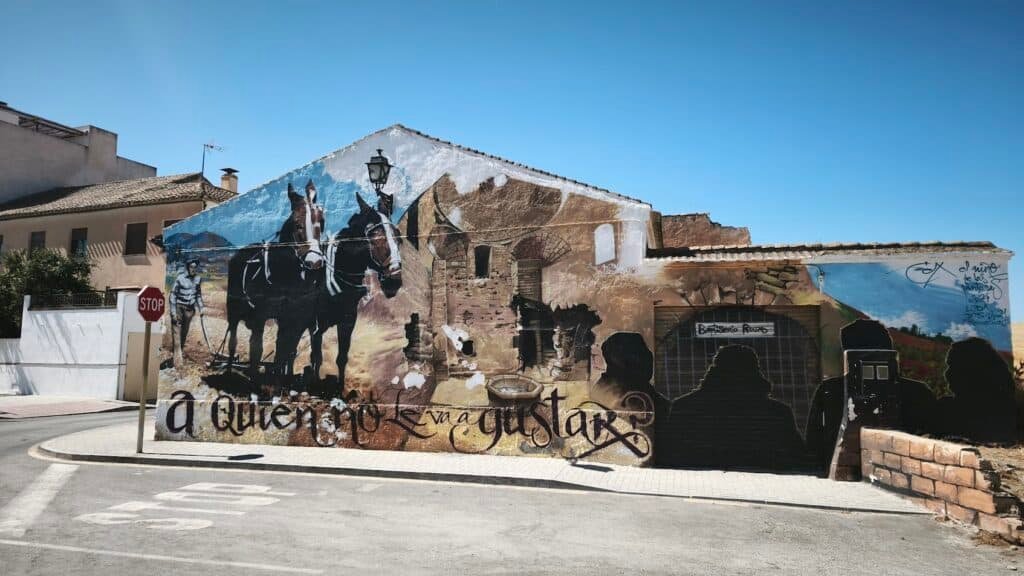
It was in the late 1990s that television programs first began showing interest in the family, starting with Crónicas Marcianas in 1999. The real leap to fame, however, came in 2006, when the program Callejeros visited the Rojas family. The report went viral, and the “Roman baptistery” became known throughout Spain, giving rise to the catchphrase, “Who wouldn’t like a first-century paleochristian baptistery?”, symbolizing the family’s pride and dedication. Over time, the report and other content about the site have been shared on YouTube, reaching millions of views and contributing to the monument’s notoriety. Since 2024, a work by the urban artist Niño de las Pinturas has paid tribute to the sisters of the Baptistery of Las Gabias near the site.
For years, with no guided visits available, curious visitors would approach the fence to view the monument. Today, with organized tours, attendance is very high—even surpassing that of other archaeological sites in the province. This is a clear example of how popular culture can generate tourist interest and highlight the value of heritage.
The Archaeological Site in Detail
The site consists of two main parts: the late Roman villa and the underground building (the cryptoporticus). While the villa began its activity in the 1st century, the cryptoporticus is thought to date from the mid-4th century, based on the rich decoration it once contained.
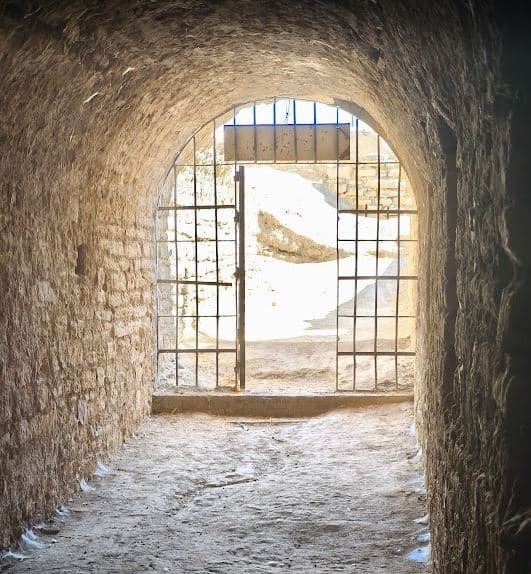
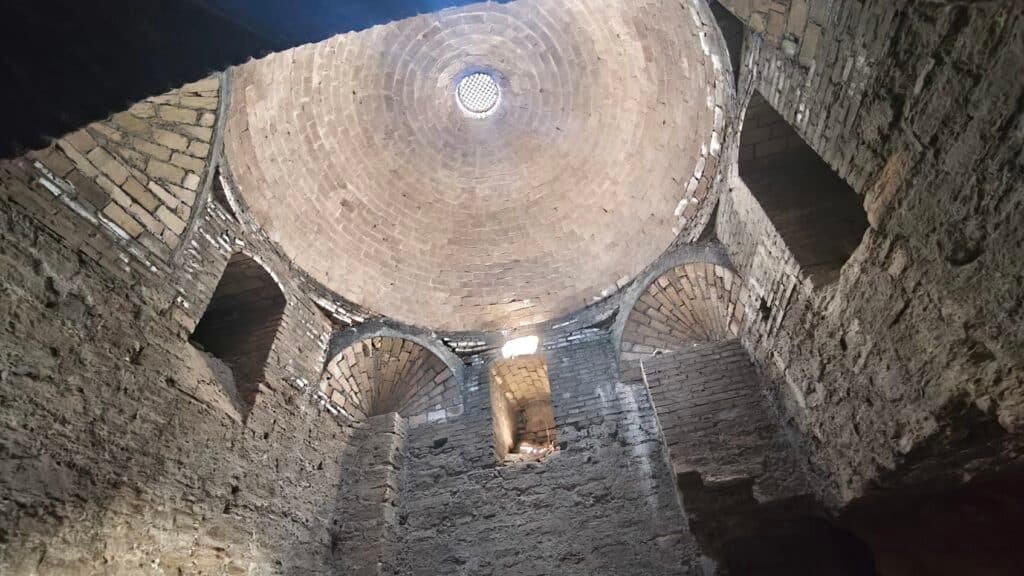
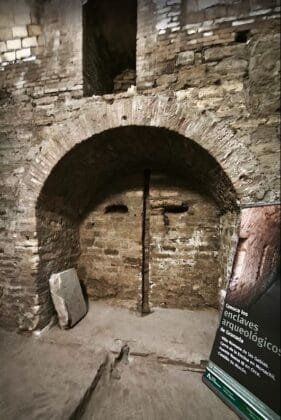
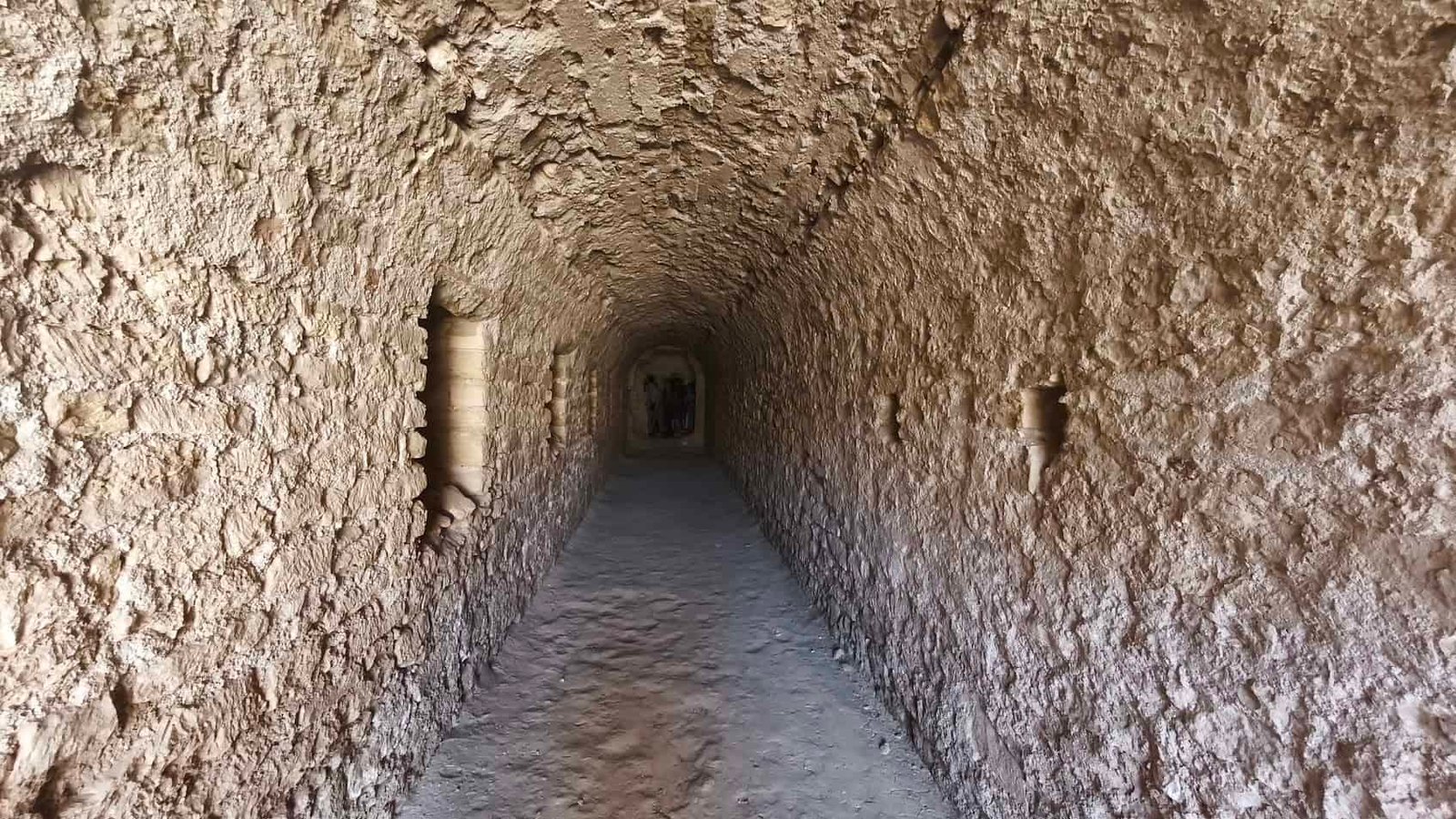
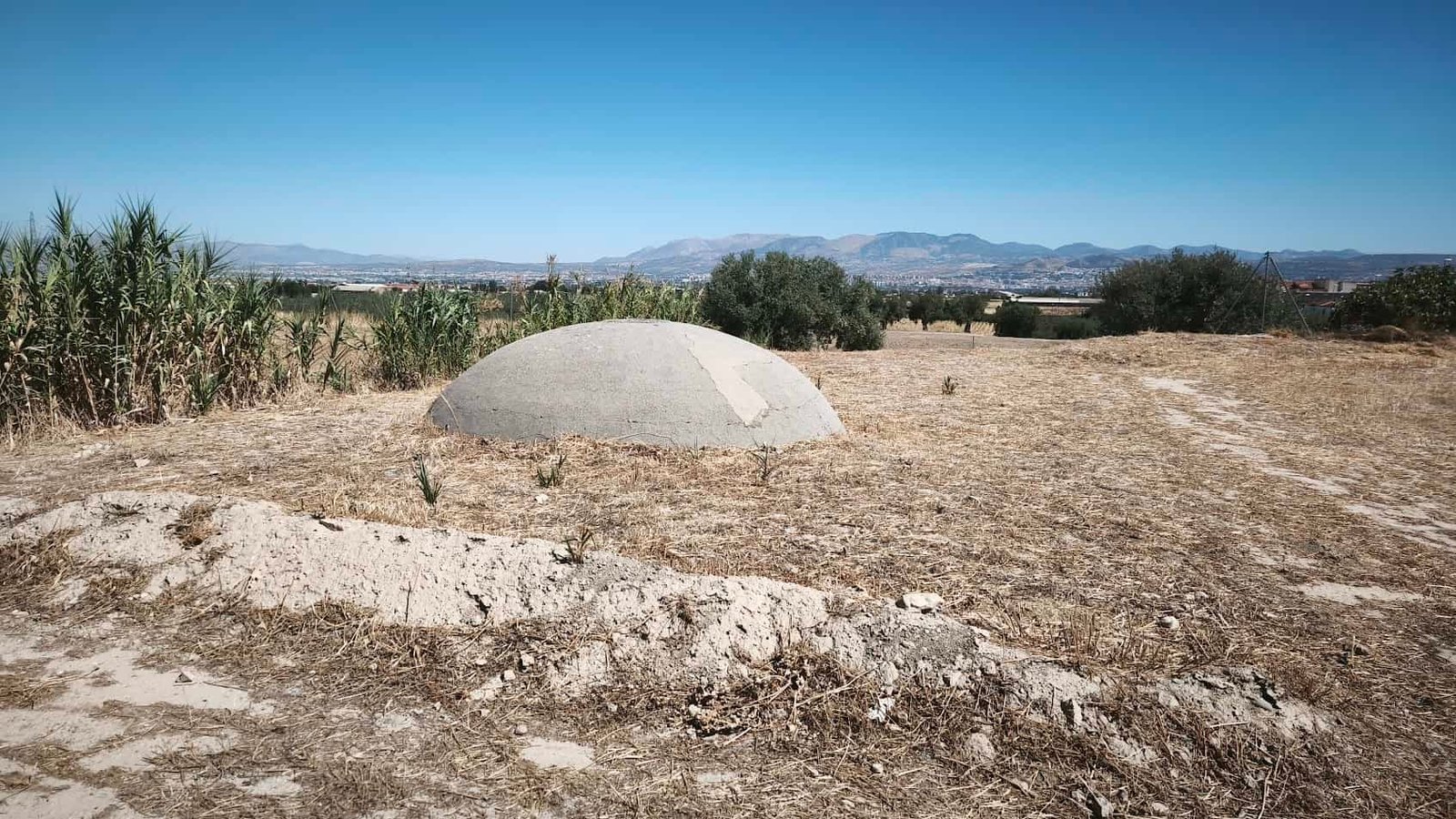
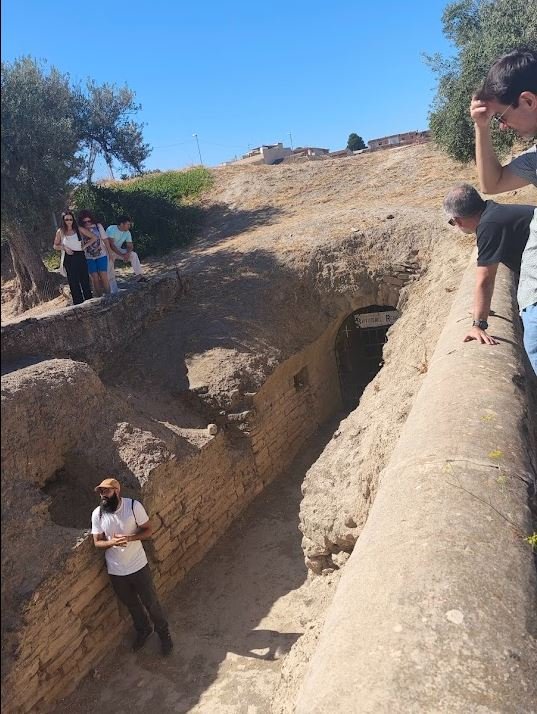
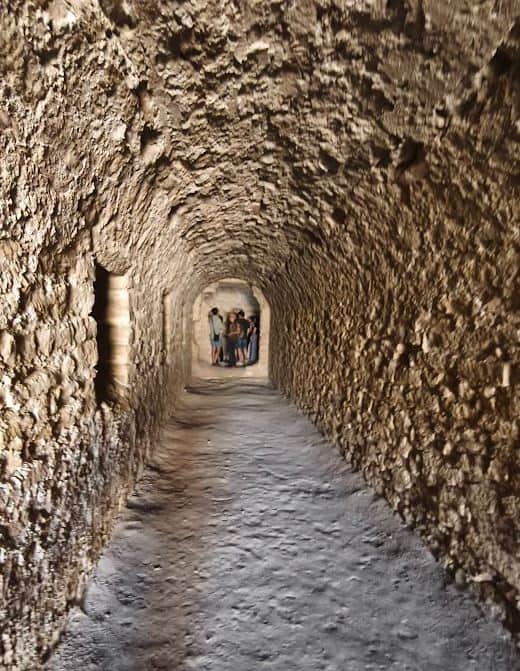
The most outstanding feature of the villa is the cryptoporticus, a monumental vaulted underground gallery measuring 2.10 meters wide, 2.80 meters high, and 30.5 meters long, culminating in a square room covered by a dome reconstructed by Torres Balbás. It was originally richly decorated and featured a marble fountain. The gallery includes ten side windows or skylights for lighting.
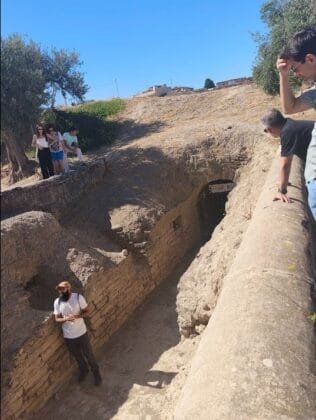
Recent excavations have revealed the original access to the gallery: an imposing marble staircase, of which five steps have been preserved.
The site has yielded numerous decorative pieces, including tesserae and marble slabs imported from across the Mediterranean, some shaped like animals, which were part of the luxurious opus sectile technique adorning the interior.
However, the site suffered significant looting between 1920 and 1921, shortly after its discovery, as reported on several occasions by El Defensor de Granada, the main newspaper in the city at the time. Among the most notable losses was a unique octagonal white marble fountain, of which only the negative imprint and a small fragment remain, along with most of the original bases and mosaics.
The Mysterious Cross in the Chamber
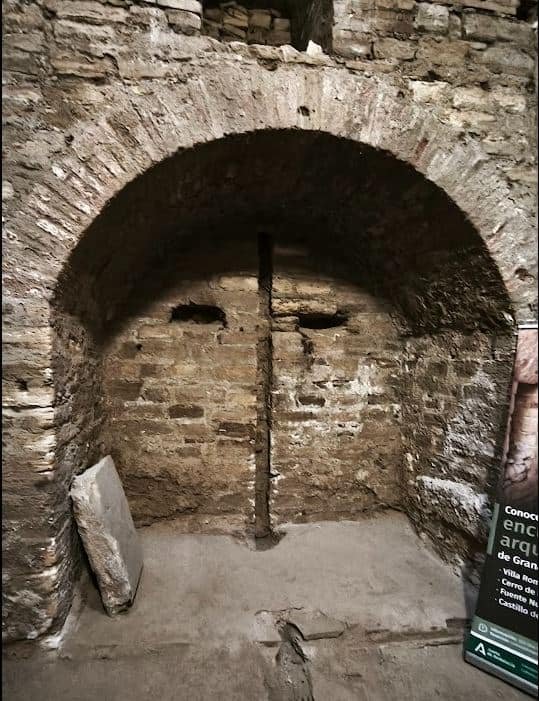
One detail that has sparked questions is the cross carved into the wall of the cryptoporticus. Its exact date of execution is unknown, but it must have been made sometime between 1920 (the year of the discovery) and 1929 (the year Torres Balbás reconstructed the monument’s dome). The cavities forming the cross appear to have been deliberately made during that interval, possibly to support the interpretation of the site as a paleochristian baptistery.
Use and Abandonment of the Villa
Current research suggests that the villa remained in use until the 5th century, coinciding with the decline of the Roman Empire. A Visigothic frieze from the 6th century has even been found, indicating that the site was reused by this Germanic people until the arrival of the Muslims on the Iberian Peninsula led to its definitive abandonment.
A Living Site Open to Tourism
The site is currently under investigation thanks to the collaboration between the Ayuntamiento of Las Gabias, the team from the University of Málaga, and the Junta de Andalucía. The General Research Project, funded by the Ayuntamiento and involving the universities of Granada and Jaén, has the support of the Territorial Delegation of Culture. The agreement signed in April 2024 between the University of Málaga and the Ayuntamiento will extend over five years, ensuring the continuity of the archaeological work and laying the groundwork for a future musealization project that will allow visitors to appreciate the grandeur of the villa.
How to Visit the Roman Villa of Las Gabias
Location: Calle Islas Canarias, 3, Las Gabias, 7 km from Granada. What to See: The underground cryptoporticus, mosaics, remains of rooms, and the latest excavation findings. Access: Guided tours within cultural programs organized by the Junta de Andalucía from June to December. Reservations can be made by phone at +34 603 844 594 or by email at conocelosenclavesdegranada.ctcd@juntadeandalucia.es
Galería
Download the Costa Tropical App
With location-based recommendations and real-time alerts, it’s like having a tour guide in your pocket—so you never miss a thing!